.png)

Accidents happen in every home, and finding a dark spot on your pristine flooring is always stressful. Homeowners frequently ask what gets blood out of a carpet effectively, and while DIY methods can help, sometimes professional residential carpet cleaning services provide the safest and most reliable results. Knowing the proper methods can save your beautiful flooring from permanent damage and keep your living space looking perfectly flawless.
Addressing these tricky biological spills requires immediate attention and the correct approach to prevent setting the stain. Using the wrong chemicals can easily make the problem much worse than before. We are sharing our top professional techniques so you can handle these stressful situations with complete confidence and ease.
Whether you are dealing with a tiny scrape or a larger accident, having a reliable strategy is absolutely crucial. Understanding the chemical makeup of these spots helps you choose the perfect treatment option. Let us explore the safest and most effective household remedies to restore your flooring completely today.
Time is always your biggest enemy when dealing with biological spills on your flooring. The moment a droplet hits the fibers, it immediately begins to bond with the material. Acting within the first few minutes drastically increases your chances of achieving a complete and flawless stain removal process every time.
As the liquid dries, it chemically alters and becomes deeply embedded into the delicate threads. Once this drying phase completely finishes, removing the blemish requires significantly more aggressive chemical treatments. Grabbing your cleaning supplies immediately prevents the substance from permanently altering the beautiful original color of your expensive flooring.
If you discover an older spill that has already dried completely, do not panic just yet. While fresh spots are significantly easier to treat, dried spots can still be lightened or entirely removed. You simply need to adjust your cleaning strategy and exercise a bit more patience during the process.
One of the most critical rules of treating biological spots involves the temperature of your liquids. You must always use freezing cold liquids when treating these specific types of stubborn spills. Heat causes the complex proteins within the fluid to instantly cook and bond permanently to the carpet fibers.
Applying hot or even lukewarm liquids will quickly set the blemish into the material forever. This irreversible mistake is incredibly common among homeowners rushing to clean up a messy sudden accident. Always double check your faucet temperature before filling your spray bottle or wetting your clean white blotting cloths.
Cold temperatures actively keep the proteins entirely suspended, making them much easier to gently lift away. If your tap is not perfectly cold, simply add a few ice cubes to a small bowl. This icy mixture ensures you are using the safest possible temperature for your delicate household textiles.
A simple mixture of liquid dish detergent and icy moisture is often highly successful for fresh spills. Mix one tablespoon of mild, uncolored dish soap with two cups of freezing liquid. This creates a gentle yet highly effective lifting solution that breaks down the biological matter without damaging sensitive threads.
Take a clean white cloth and lightly dampen it with your freshly mixed soapy solution. Gently dab the affected area, being extremely careful not to rub or scrub the delicate fibers. Scrubbing aggressively will only push the dark pigments much deeper into the backing of your beautiful living room flooring.
Continue dabbing the spot patiently until the dark transfer stops appearing on your clean white towel. Once the blemish is fully gone, rinse the specific area by blotting it with plain icy moisture. Finally, press a dry towel into the damp spot to absorb all the remaining excess liquid completely.
When gentle soapy mixtures fail to remove the stubborn blemish, you might need a stronger household solution. Hydrogen peroxide is a fantastic option for treating persistent dark spots on light colored textiles. Always proceed with caution to completely protect your delicate flooring materials from any accidental and irreversible chemical bleaching.
After completing the peroxide treatment, always inspect the specific area from multiple different lighting angles carefully. If a faint shadow remains visible, you can safely repeat the entire bubbling process one more time.
For particularly stubborn blemishes that refuse to budge, plain unflavored ammonia serves as an excellent alternative option. Mix exactly one tablespoon of pure liquid ammonia with one half cup of freezing moisture. This potent alkaline mixture works exceptionally well at breaking apart complex biological protein structures trapped in the threads.
Never use this strong chemical mixture on natural wool or delicate silk textiles. Only utilize this aggressive cleaning method on standard synthetic household flooring materials like nylon or polyester.
Carefully sponge the diluted ammonia solution directly onto the dark spot and blot gently with a towel. Continue this repetitive dabbing motion until the stain fully transfers onto your cleaning cloth.
Store bought enzyme cleaners are specifically formulated to digest complex biological proteins quickly and completely. These products offer a highly reliable solution for tackling challenging household accidents and are often used in both homes and commercial carpet cleaning services where tougher stains are more common.
When using a commercial enzymatic product, follow the manufacturer instructions carefully. Most require you to let the solution sit so enzymes can break down the stain effectively before blotting it away.
If you prefer natural ingredients, a simple homemade paste works wonders safely. Baking soda and white vinegar create a powerful bubbling reaction that lifts deeply embedded pigments upward.
This method is ideal for older, dried stains and safe for homes with pets and children.
The technique you use matters just as much as the solution. Always use a gentle blotting motion instead of scrubbing. Scrubbing spreads the stain and damages fibers.
Start from the outer edges and work inward to prevent spreading. Always use white cloths to avoid color transfer and switch to a clean section as needed.
For older stains, rehydration is key. Apply cold water and let it sit for ten minutes before cleaning. This softens the hardened proteins and allows better removal.
Repeat treatments as needed with patience. Stubborn stains often require multiple attempts to fully disappear.
Routine care and fast response extend the life of your carpet. Ignoring small stains can lead to permanent damage and costly replacements.
Keeping cleaning supplies on hand ensures you are always prepared for accidents. This proactive approach protects both your carpet and your budget.
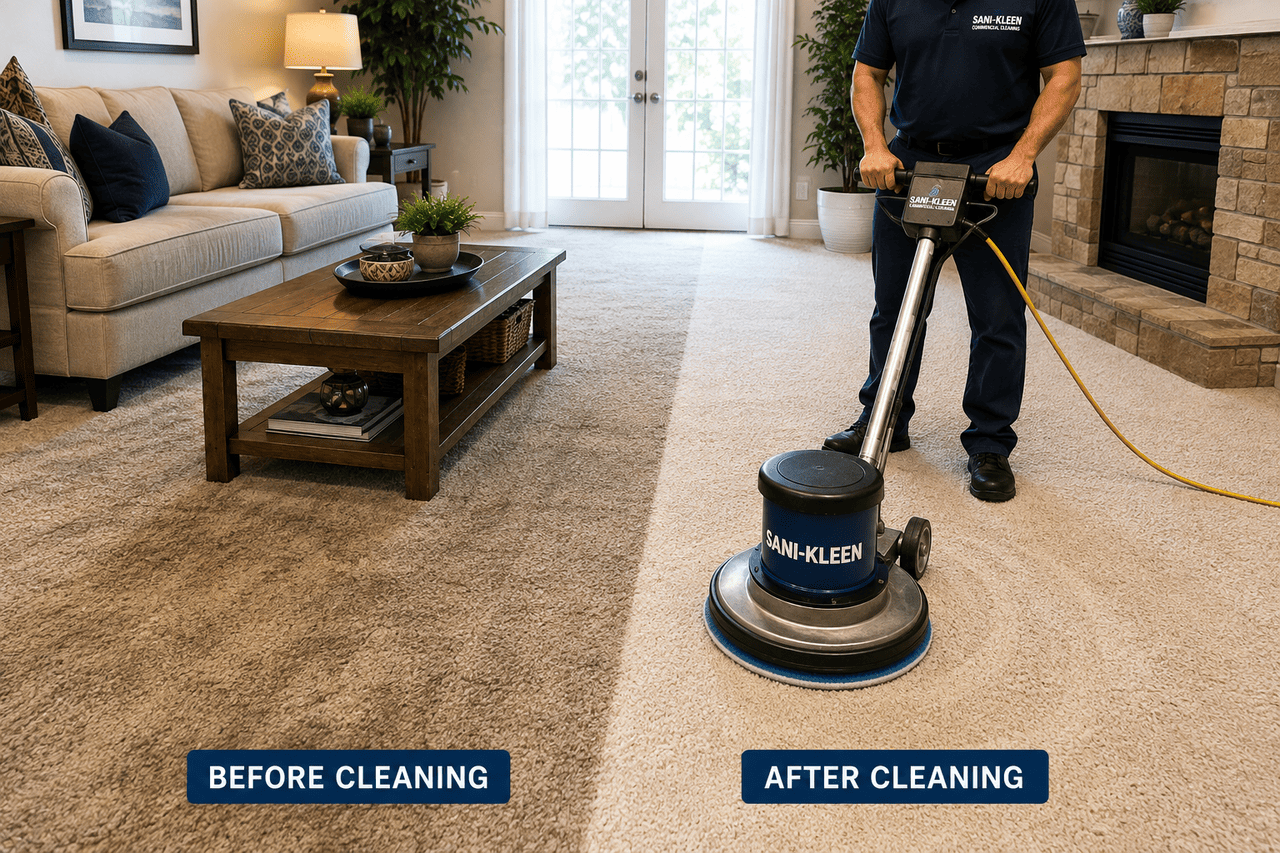
Sometimes, a stain is simply too stubborn for DIY methods. If you are dealing with persistent issues, professional help is the best solution—especially if you are located in the area and need trusted carpet cleaning experts in Pooler, GA to handle the job safely and effectively.
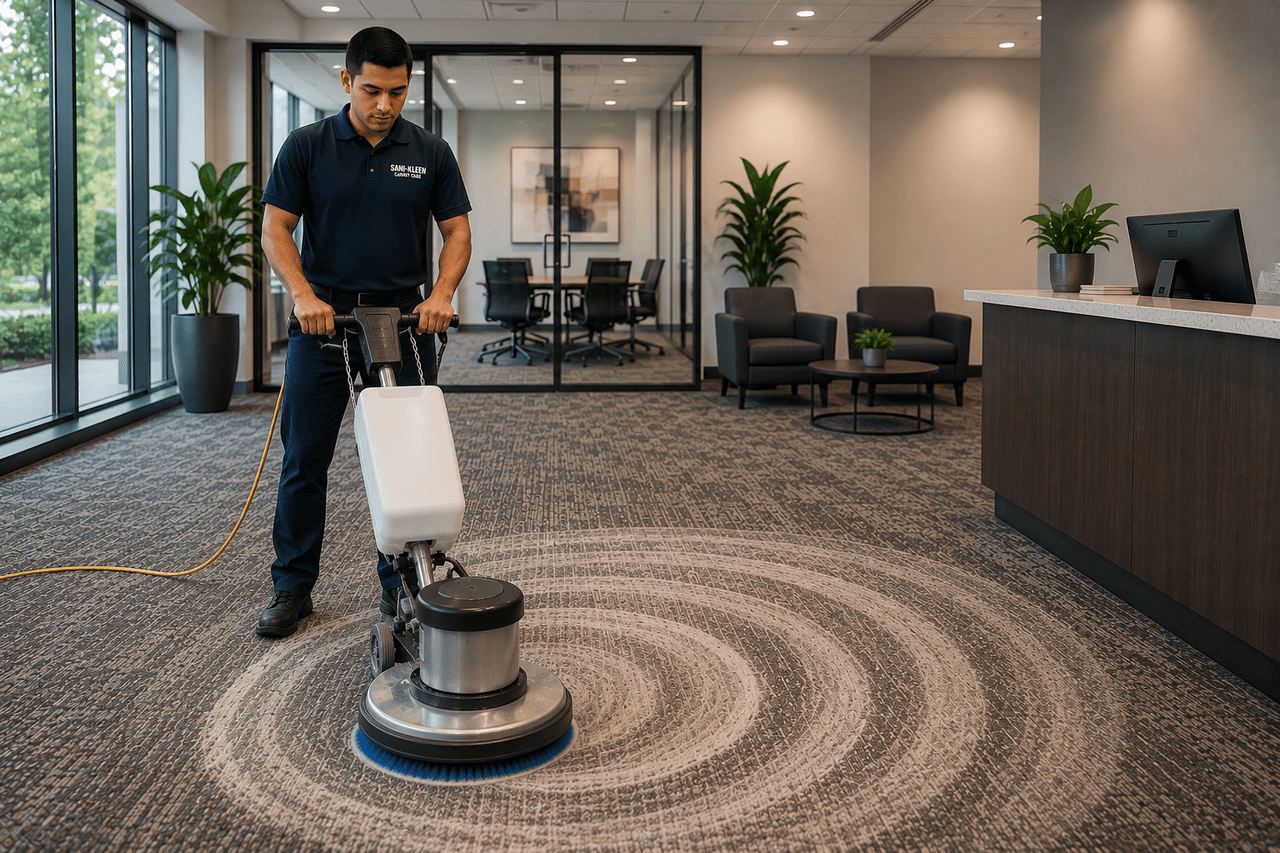
Professional technicians use advanced equipment and proven techniques to remove even the toughest stains without damaging your flooring. This ensures your carpet looks fresh, clean, and fully restored.
Do not let a stubborn stain ruin your home’s comfort and appearance. Reach out today and restore your flooring to its original beauty with expert care.
What gets blood out of a carpet safely?
Using cold moisture mixed with mild dish soap is the safest initial method. Warm temperatures cook biological proteins directly into delicate threads. Always dab the wet spot gently with a pristine white towel until the dark pigment completely disappears from the rug.
Can hydrogen peroxide damage my flooring?
Yes, strong peroxide can permanently bleach dark or highly sensitive natural fibers. Always test this powerful chemical solution on a hidden corner first. If the color remains perfectly stable, carefully apply it to the organic blemish and blot the active bubbling foam immediately with a dry cloth.
Is baking soda effective on dried stains?
Baking soda mixed with pure white vinegar creates a highly effective natural lifting paste. This gentle bubbling reaction loosens stiff biological matter without harming delicate threads. Simply let the paste sit for thirty minutes before wiping it away completely to reveal a perfectly clean floor.
Why should I avoid rubbing a fresh spill?
Vigorously rubbing delicate wet threads instantly pushes dark biological pigments much deeper into the thick base padding. It also severely frays the sensitive synthetic materials permanently. Always use a strict downward pressing motion with a white towel to safely absorb liquids without spreading them.
When should I call a professional cleaner?
You should call skilled experts if your household remedies fail or if the dark blemish covers a massive area. Sani-Kleen utilizes advanced extraction tools that eliminate incredibly stubborn set stains perfectly. Professional intervention safely preserves your expensive flooring investment beautifully.



%20(1).png)