Chocolate is delicious, but it can become a frustrating mess when it lands on carpet. Whether someone drops a chocolate bar, spills hot chocolate, or tracks melted chocolate across the living room, the resulting stain can be surprisingly difficult to remove.
Chocolate contains a combination of ingredients that create different cleaning challenges. Cocoa contributes dark coloring, while fats and other ingredients can leave residue attached to carpet fibers. Depending on the type of chocolate, you may be dealing with both a visible brown stain and an oily residue.
The good news is that many chocolate stains can be improved or removed when treated carefully.
The most important thing is to avoid rubbing the chocolate deeper into the carpet or using excessive heat and moisture.
If you're wondering how to get chocolate out of carpet, this guide explains how to treat fresh chocolate, remove dried chocolate, handle chocolate ice cream and milk spills, and avoid cleaning mistakes that can make the problem worse.
Chocolate is not a simple water-based stain.
Most chocolate products contain several ingredients that can affect how they interact with carpet fibers.
These may include:
Cocoa contributes the dark brown color, while fats can create a greasy residue.
When chocolate melts, it can spread through carpet fibers and become more difficult to lift.
Once the chocolate dries, it may harden around individual fibers.
This means removing the visible chocolate is only part of the process.
You may also need to address remaining discoloration or residue.
The first few minutes can make a difference.
Your initial goal should be to remove as much chocolate as possible without spreading it.
If a piece of chocolate has fallen onto the carpet, carefully pick it up.
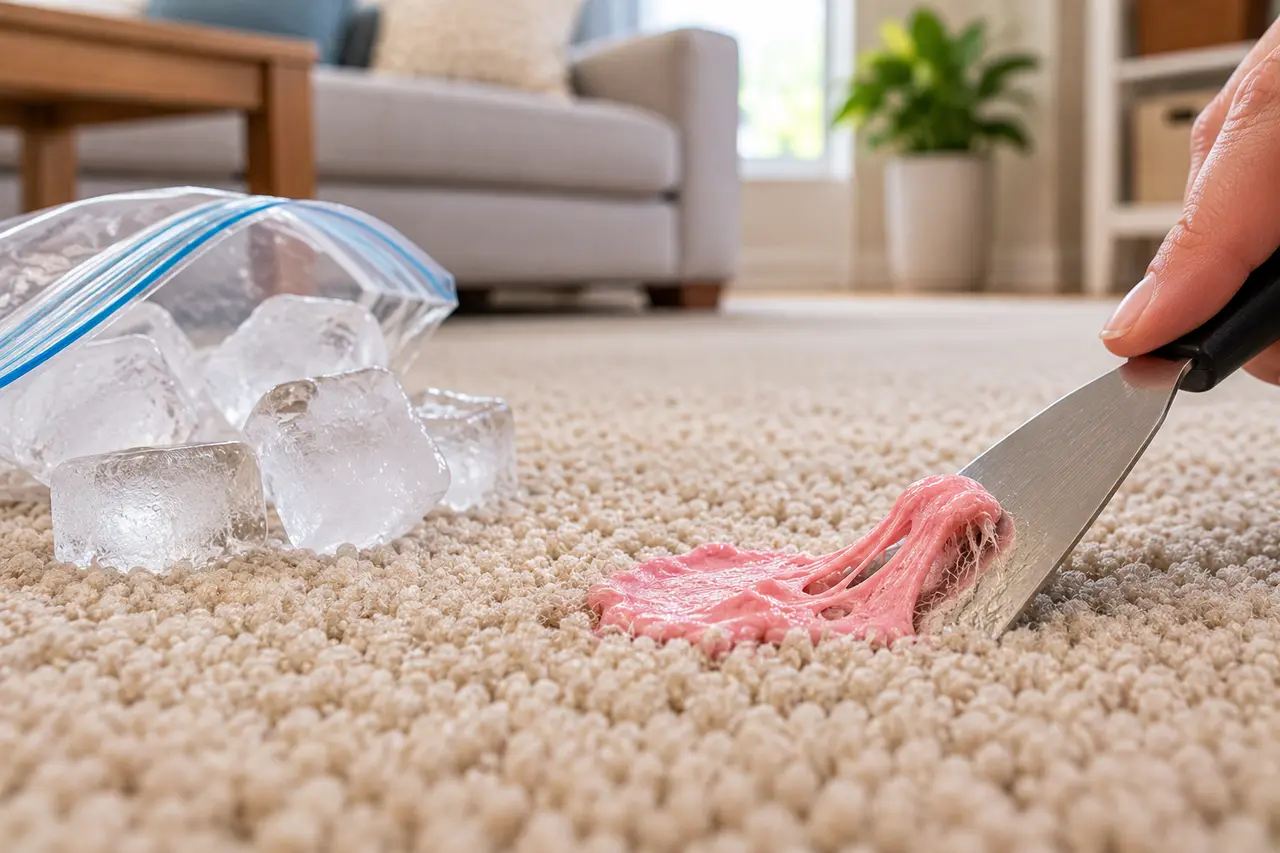
For melted chocolate, use a spoon or dull-edged tool to gently lift away excess material.
Avoid pressing down.
You want to remove the chocolate from the surface rather than push it deeper into the carpet.
Scrubbing can spread chocolate across a larger area.
It may also work the chocolate into surrounding carpet fibers.
Instead, gently blot any remaining soft residue with a clean white cloth.
Before applying cleaning products, consider whether the carpet is synthetic, wool, or another material.
Some specialty carpets require more cautious treatment.
For compatible synthetic carpeting, a small amount of mild clear dishwashing liquid diluted in water may help address chocolate residue.
Avoid highly concentrated detergent.
Apply the solution to a clean cloth rather than pouring it directly onto the carpet.
Blot carefully.
Then use another cloth lightly dampened with clean water to remove remaining detergent.
Finish by blotting with a dry towel.
Fresh chocolate is generally easier to remove before it becomes deeply embedded or dries completely.
However, soft chocolate can spread easily.
Use a spoon or dull-edged tool to lift away as much as possible.
Work from the outside toward the center.
Use a clean white cloth to absorb any transferable material.
Avoid rubbing.
Use a carpet-compatible spot treatment according to its directions.
For certain synthetic carpets, a mild diluted dishwashing solution may be suitable.
Use a separate clean damp cloth to remove remaining detergent.
Do not saturate the carpet.
Once the carpet has dried, inspect it for remaining discoloration.
A wet carpet may look different from a dry one.
Avoid repeatedly applying additional products before evaluating the result.
Dried chocolate can appear more difficult because it may harden around the fibers.
However, it does not automatically mean the stain is permanent.
Use a spoon or another dull-edged tool to gently lift away dried material.
Avoid sharp knives or blades.
Cutting or aggressively scraping the carpet can cause permanent fiber damage.
Once the larger pieces have been removed, collect any loose, dry fragments.
A vacuum may help with appropriate dry debris.
Do not vacuum sticky or wet chocolate.
For compatible carpeting, controlled moisture may help soften chocolate that remains attached to the fibers.
Use a lightly dampened cloth.
Avoid pouring large amounts of water directly onto the carpet.
Apply an appropriate cleaning solution according to its directions.
Gently blot the affected area.
Use a clean damp cloth to remove remaining cleaning product.
Then blot with a dry towel.
Allow the area to dry before deciding whether further treatment is needed.
Melted chocolate can be particularly troublesome because it spreads easily.
If the chocolate is very soft, trying to wipe it away may make the affected area larger.
Start by carefully lifting excess material.
If necessary, allow the chocolate to become firmer before attempting additional physical removal.
A sealed bag containing ice can sometimes help firm up soft chocolate.
Avoid allowing melting ice to soak the carpet.
Once the chocolate is firm enough to lift, remove it carefully.
Then treat any remaining residue using a carpet-compatible cleaning method.
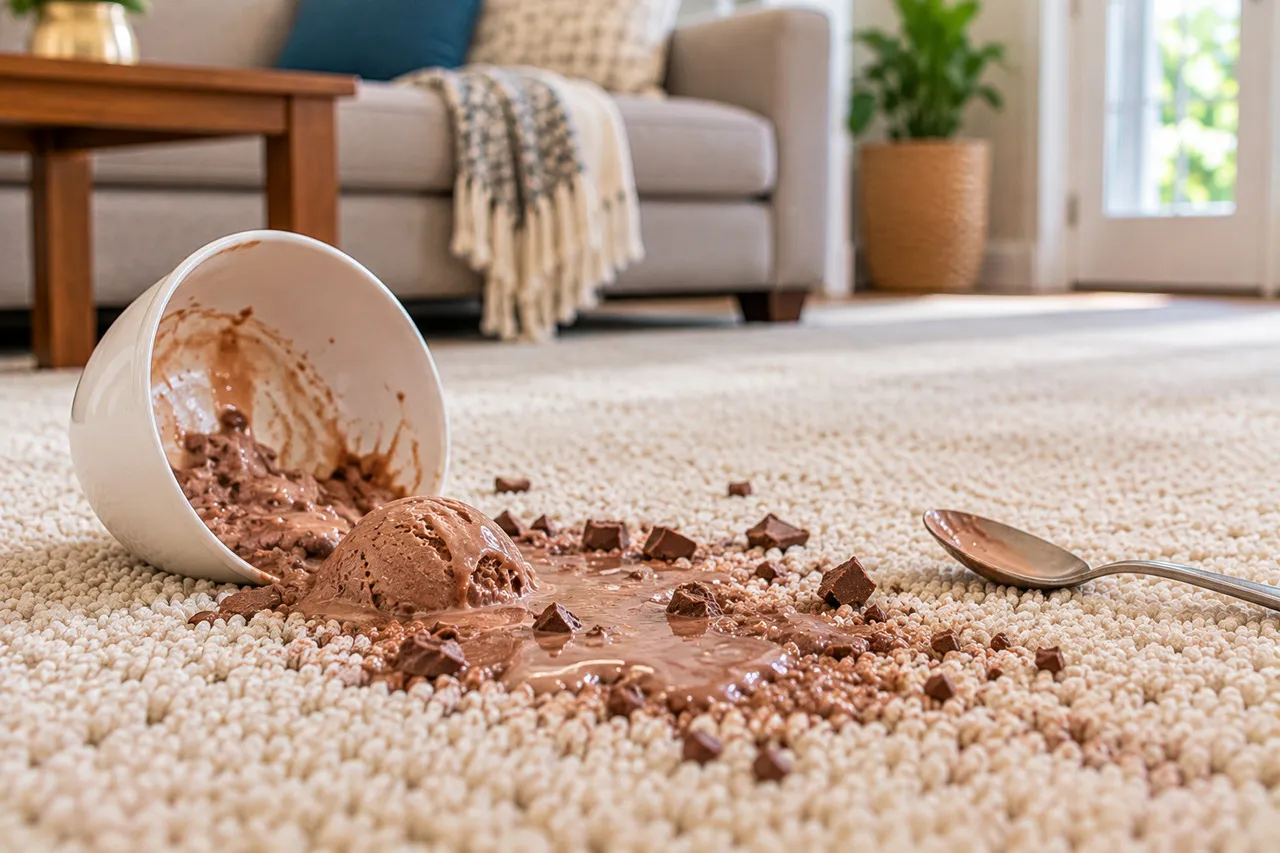
Chocolate ice cream creates a different cleaning challenge because it contains both chocolate ingredients and dairy.
As the ice cream melts, the liquid can spread quickly.
Use a spoon to lift away the remaining ice cream.
Use clean white towels to absorb melted liquid.
Do not scrub.
A carpet-safe product appropriate for food-related stains may help.
Follow its instructions carefully.
Use controlled moisture to remove remaining cleaning solution.
Because dairy-containing spills can leave residues and odors, thorough removal and drying are important.
If an unpleasant smell remains after cleaning, additional treatment may be necessary.
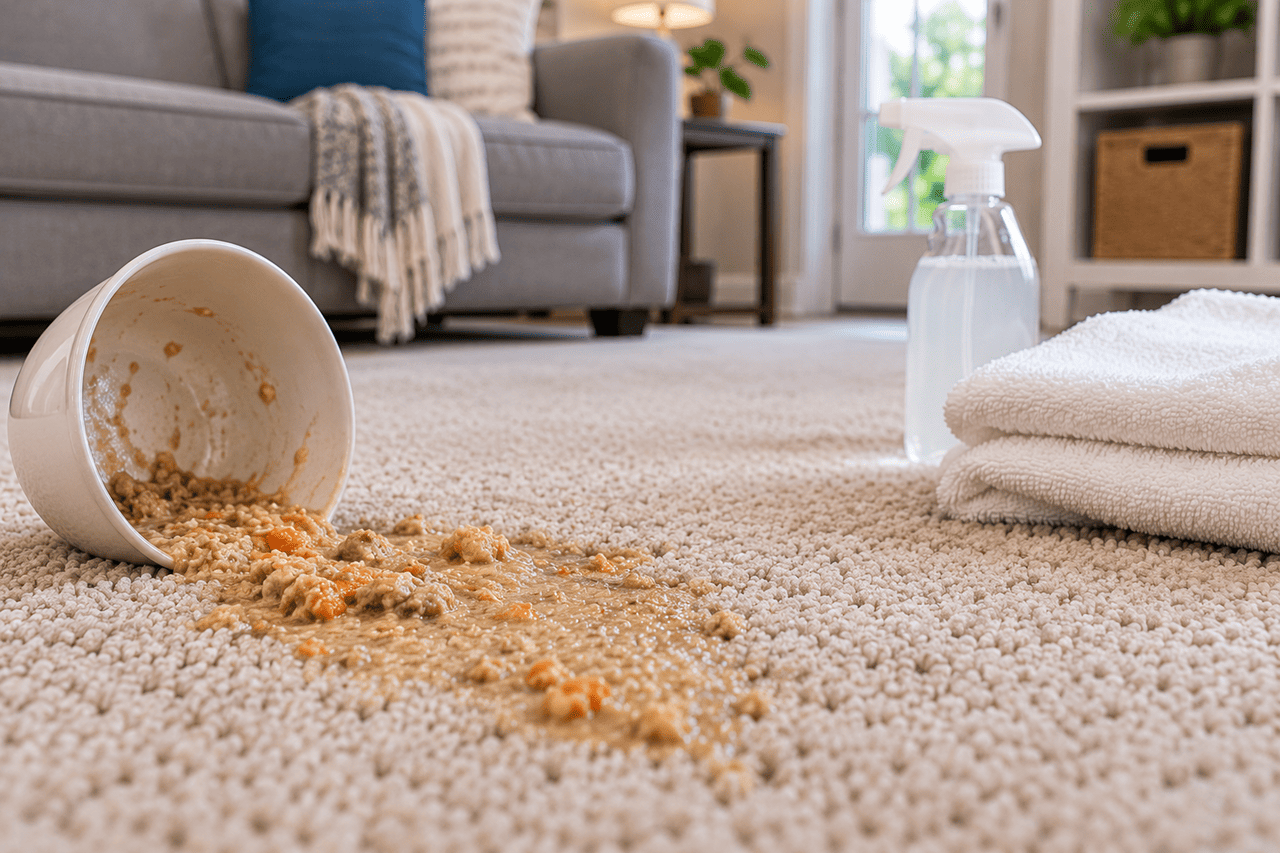
Chocolate milk can penetrate carpet more quickly than solid chocolate.
It contains water, milk ingredients, cocoa, and sugar.
Start by blotting the spill immediately.
Use clean white towels and apply pressure to absorb as much liquid as possible.
Replace saturated towels as needed.
Once excess moisture has been removed, use an appropriate carpet-safe cleaning solution.
Avoid pouring large quantities of water onto the affected area.
After treatment, blot away remaining cleaner and allow the carpet to dry thoroughly.
If the spill was large enough to reach the carpet backing or padding, surface cleaning may not address the entire problem.
Hot chocolate can leave a stain similar to chocolate milk, but temperature adds another consideration.
If the spill is still hot, allow it to cool enough to handle safely.
Avoid touching hot liquid directly.
Once safe, blot the liquid using clean absorbent towels.
Do not rub the carpet.
After removing excess moisture, use an appropriate carpet-compatible cleaner.
If the hot chocolate contains milk, cream, or flavored syrups, additional residue may remain.
Make sure the affected area is cleaned and dried appropriately.
Mild dishwashing liquid may help with some chocolate stains because chocolate often contains fats.
However, more detergent does not necessarily mean better cleaning.
Excess soap can remain in carpet fibers.
This residue may make the carpet feel sticky and attract dirt over time.
If you use dishwashing liquid, dilute a small amount in water and apply it with a clean cloth.
Afterward, carefully remove remaining detergent with another lightly dampened cloth.
Avoid saturating the carpet.
Vinegar is commonly suggested in homemade carpet-cleaning recipes.
However, it should not be treated as a universal chocolate stain remover.
Carpet materials and dyes vary.
Before applying vinegar or another household cleaning product, check the carpet manufacturer's care recommendations.
Test in an inconspicuous area when recommended.
Avoid combining vinegar with bleach or unrelated cleaning chemicals.
Baking soda is frequently used in household cleaning, particularly for absorbing some odors and moisture.
However, it should not be expected to remove every chocolate stain.
A stain involving cocoa pigments and fats may require more targeted cleaning.
If you use baking soda, ensure the method is appropriate for your carpet and that the material can be removed completely.
Do not rely on baking soda as a substitute for physically removing the chocolate and cleaning the affected fibers.
Hydrogen peroxide appears in many DIY carpet stain-removal recipes.
However, it can affect color.
Using it without considering the carpet's dye stability may create permanent discoloration.
This is especially important for dark carpeting, wool, and specialty rugs.
Before using peroxide, verify that it is appropriate for your carpet.
If you are unsure, choose a more conservative approach or seek professional advice.
Hot water is not automatically the best choice.
Chocolate contains several ingredients, and excessive heat may complicate treatment or affect certain carpet materials.
Start with a cleaning method recommended for your carpet and the specific product involved.
Avoid using very hot water without confirming that it is appropriate.
Controlled cleaning is generally preferable to flooding the carpet.
Several common mistakes can make chocolate stains more difficult to treat.
Scrubbing can spread chocolate and disturb carpet fibers.
Remove excess material carefully before applying cleaning products.
Flooding the carpet can spread contamination and increase drying time.
Bleach can permanently change carpet color.
Combining cleaning products can create safety risks and damage carpet materials.
Soap residue can attract soil.
Knives and razor blades can cut carpet fibers.
If a conservative cleaning method is not working, stop before creating permanent damage.
Sometimes the physical chocolate disappears, but a brown mark remains.
This can happen when coloring or other residues remain attached to the carpet fibers.
Another possibility is that the stain was not completely removed during the initial cleaning.
If the carpet was heavily saturated, residue may also migrate toward the surface as it dries.
This is sometimes called wicking.
Allow the carpet to dry before evaluating the result.
If the stain remains, consider an appropriate carpet-safe treatment or professional evaluation.
Chocolate itself may leave a mild odor, but dairy-containing products such as chocolate milk and ice cream can create additional concerns.
If liquid penetrates deeper into the carpet, residue may remain below the visible surface.
Spraying fragrance over the area does not necessarily remove the source.
Make sure the spill has been cleaned appropriately.
Allow the carpet to dry thoroughly.
If an unpleasant odor persists, professional evaluation may be necessary.
Yes, some chocolate stains can become difficult or impossible to remove completely.
The outcome depends on several factors:
Fresh spills generally offer a better opportunity for successful treatment than stains that have remained for a long time.
However, no cleaning method should be assumed to remove every stain completely.
Wool requires additional care.
Natural fibers may respond differently to moisture, temperature, cleaning chemistry, and agitation.
Avoid assuming that a DIY method suitable for synthetic carpeting is appropriate for wool.
Start by carefully removing excess chocolate.
Check the carpet manufacturer's cleaning recommendations.
For valuable or delicate wool carpeting, professional evaluation may be the safer option.
Area rugs vary considerably in construction.
A machine-made synthetic rug may have different cleaning requirements from a handmade or antique rug.
Before applying a cleaning product, identify the rug material if possible.
Avoid saturating the rug.
If the chocolate has penetrated deeply or the rug is valuable, professional rug-cleaning advice may help prevent unnecessary damage.
Professional carpet cleaning may improve or remove many chocolate stains.
However, results depend on the specific carpet and stain.
Factors include:
A responsible carpet cleaner should evaluate the stain before promising a particular outcome.
If you have already used household products, tell the cleaning professional what you applied.
Food spills are a common source of carpet stains in busy households.
Chocolate, coffee, red wine, juice, and other everyday accidents can leave carpeting looking less than its best.
When careful DIY cleaning does not resolve the problem, professional carpet cleaning may be the next step.
Sani-Kleen of Savannah LLC has provided professional carpet-cleaning services throughout the Savannah area since 2003.
Our services include residential carpet cleaning, commercial carpet cleaning, sanitizing and odor elimination, upholstery and furniture cleaning, and area rug cleaning.
We use eco-friendly, fast-drying cleaning methods designed to refresh carpets without unnecessarily long drying periods.
If you have a stubborn chocolate stain, contact Sani-Kleen to discuss the affected area and available cleaning options.
Chocolate accidents cannot always be prevented, but a few habits can reduce the risk.
Encourage children to enjoy chocolate snacks at a table.
Keep hot chocolate and chocolate milk in containers that are less likely to tip over.
A small fresh spill is generally easier to address than dried chocolate.
Melted chocolate on hands, sleeves, or clothing can transfer onto carpet.
A washable mat beneath a children's activity or snack area can help protect carpeting.
Clean white towels and a suitable carpet-safe spot cleaner make prompt treatment easier.
Not necessarily.
If a small stain is successfully removed and the surrounding carpet is clean, full-room cleaning may not be required.
However, if the carpet already has heavy traffic lanes, multiple stains, or accumulated soil, professional cleaning may improve the overall appearance.
Spot cleaning can sometimes leave one section looking noticeably cleaner than the surrounding carpet.
In those situations, cleaning the entire room may provide a more consistent result.
Chocolate is only one of many substances that can end up on carpet.
Other common household spills include:
Regular vacuuming helps remove loose dirt and debris.
Prompt spot treatment can reduce the chance of stains becoming more difficult to remove.
Avoid excessive detergent and harsh DIY chemical mixtures.
Periodic professional carpet cleaning can help maintain the overall appearance of carpeting in busy households.
Carefully remove excess chocolate first. Then blot remaining residue and use an appropriate carpet-safe cleaning solution. Avoid rubbing or saturating the carpet.
Gently lift hardened chocolate using a dull-edged tool. For compatible carpeting, controlled moisture may help soften remaining residue before careful spot cleaning.
Remove as much soft chocolate as possible without spreading it. Cooling may help firm the chocolate before lifting it. Then treat remaining residue using a carpet-compatible cleaner.
A small amount of mild dishwashing liquid diluted in water may help with certain chocolate residues on compatible synthetic carpeting. Avoid excessive detergent and remove remaining soap afterward.
Yes. Some stains may become permanent depending on the carpet, chocolate ingredients, stain age, and previous cleaning attempts.
Blot the liquid immediately with clean absorbent towels. Then use an appropriate carpet-safe cleaner and allow the area to dry thoroughly.
Baking soda may help with some moisture or odor situations, but it should not be relied upon to remove every chocolate stain.
Professional cleaning may improve or remove many chocolate stains, but results depend on the carpet material, stain age, depth, and previous treatments.
Consider professional assistance when:
Knowing when to stop experimenting can help prevent unnecessary damage.
If chocolate, coffee, red wine, pet accidents, or other stubborn stains have left your carpet looking less than its best, Sani-Kleen of Savannah LLC can help.
We provide professional carpet cleaning throughout Savannah and surrounding communities, including Pooler, Richmond Hill, Port Wentworth, Garden City, Wilmington Island, Tybee Island, Rincon, Springfield, Guyton, and Skidaway Island.
Sani-Kleen has served the Savannah area since 2003 and offers eco-friendly, fast-drying carpet-cleaning services.
Call Sani-Kleen of Savannah at (912) 414-0652 to request a quote or schedule professional carpet cleaning.