.png)
.webp)
Chewing gum stuck in carpet can seem like a small problem until you try to remove it. What starts as a soft, sticky piece can become tangled in carpet fibers, spread when pulled, and leave behind residue that attracts dirt.
Whether someone accidentally dropped gum in the living room, tracked it inside on a shoe, or pressed it into the carpet, removing it requires patience and the right approach.
The good news is that chewing gum does not always mean permanent carpet damage. In many cases, you can remove it at home without cutting the carpet or using harsh chemicals.
The key is understanding how to get gum out of carpet without spreading the sticky material or damaging the fibers underneath.
This guide covers removing fresh gum, hardened gum, leftover sticky residue, and gum from different carpet materials. It also explains which popular DIY methods require caution and when professional carpet cleaning may be appropriate.
Chewing gum is designed to remain flexible and cohesive while being chewed. Those same characteristics make it troublesome when it becomes embedded in carpet.
Unlike ordinary dirt, gum does not simply sit loosely between the fibers.
It can stretch, adhere to individual strands, and become more deeply embedded when someone steps on it.
Several factors influence how difficult removal will be:
The safest strategy is usually to remove as much of the physical gum as possible before applying cleaning products.
One of the simplest methods for removing chewing gum from carpet is cooling it.
Cold temperatures can make certain types of gum firmer and less flexible, which may allow you to lift them away more easily.
Place several ice cubes inside a sealed plastic bag.
Using a bag helps prevent melting ice from soaking the carpet.
You want to cool the gum, not flood the surrounding fibers.
Place the sealed ice bag directly over the chewing gum.
Hold it there for several minutes, checking periodically to see whether the gum has become firmer.
The exact time depends on the amount and type of gum.
Once the gum feels firm, use a spoon or dull-edged tool to carefully lift an edge.
Work slowly.
If the gum separates into pieces, remove them individually.
Avoid pulling hard on carpet fibers.
If the gum becomes soft again before removal is complete, reapply the ice bag.
Working in several small stages is often safer than trying to remove the entire piece at once.
Once the bulk of the gum is gone, examine the carpet.
You may notice small sticky fragments or a slightly tacky patch.
These can require a separate cleaning step.
Fresh gum is often soft and highly adhesive.
Trying to pull it out immediately can stretch it into surrounding carpet fibers.
If the gum is still sitting mostly on top of the carpet, carefully lift any portion that separates without resistance.
Then use the ice method to firm up the remaining material.
Avoid pressing down on the gum.
Do not scrub it with a towel while it is soft.
The goal is to prevent the gum from becoming more deeply embedded.
Older chewing gum may become hard or brittle.
In some situations, this makes removal easier because the gum no longer stretches as much.
However, hardened gum can also bind multiple carpet fibers together.
Look closely at the affected area.
Determine whether the gum is sitting on the surface or wrapped around the fibers.
Use a dull-edged tool to test whether the hardened gum can be lifted.
Do not force it.
If the material resists removal, try cooling it further with a sealed ice bag.
As pieces separate, collect them before they become scattered through the carpet.
Avoid aggressively scraping the same area.
Once the physical gum has been removed, check whether the fibers still feel sticky.
If so, use an appropriate carpet-safe cleaning method.
Even after the chewing gum has been removed, a sticky patch may remain.
This residue can attract dirt and make the carpet look darker over time.
For compatible synthetic carpet, a small amount of mild cleaning solution may help.
You will need:
Mix a small amount of dishwashing liquid with water.
Apply the solution to a clean cloth rather than pouring it directly onto the carpet.
Gently blot the sticky area.
Avoid aggressive rubbing.
Then use another cloth lightly dampened with clean water to remove remaining detergent.
Finish by blotting with a dry towel.
Do not use excessive soap. Detergent residue can create another sticky problem.
Vinegar is frequently recommended as a household cleaning solution.
However, it should not be considered a universal gum remover.
Different carpets contain different fibers, dyes, adhesives, and backing materials.
A treatment that appears harmless on one carpet may cause problems on another.
If you are considering a vinegar-based method, first check the carpet manufacturer's care recommendations and test it in an inconspicuous area.
Avoid pouring large quantities onto the carpet.
Also, never mix vinegar with bleach or unrelated cleaning chemicals.
You may have heard that peanut butter can help remove chewing gum.
This suggestion comes from the idea that oils can affect gum's adhesive properties.
However, peanut butter introduces a separate problem.
It contains fats and oils that can leave greasy residues in carpet fibers.
Instead of dealing with one sticky substance, you may end up with gum residue and an oil stain.
For that reason, peanut butter is not my preferred starting method for gum removal from carpet.
The ice method is generally a cleaner first approach.
Rubbing alcohol is sometimes suggested for removing adhesive residue.
However, solvents can affect carpet dyes, adhesives, backing, and other materials.
Before using alcohol or another solvent, verify that it is compatible with the carpet and follow the product instructions.
Test in an inconspicuous area when recommended.
Never saturate the carpet with a solvent.
If you are unsure about the carpet's construction or color stability, professional advice may be safer.
WD-40 and similar products sometimes appear in online gum-removal tutorials.
Although such products may affect sticky materials, they can also introduce oily residue into carpet.
Removing that residue may require additional cleaning.
They are not automatically appropriate for all carpet fibers or backing materials.
Rather than beginning with a lubricant, try carefully cooling and lifting the gum.
If that does not work, consider a carpet-compatible adhesive-removal product or professional treatment.
Heat is another frequently suggested approach.
Some tutorials recommend a hair dryer or iron to soften gum.
This requires considerable caution.
Heating gum can make it softer and more likely to spread into surrounding fibers.
Excessive heat can also damage certain synthetic carpet fibers.
Never place a hot iron directly onto carpet.
For most homeowners, cooling and carefully lifting the gum is a more conservative starting point than heating it.
Shag and long-pile carpets can be particularly challenging because gum may become wrapped around numerous fibers.
Start by identifying the affected strands.
Apply a sealed ice bag to firm the gum.
Then gently separate small pieces from the fibers.
Avoid pulling entire bundles of carpet.
If necessary, work in several short sessions.
Long fibers can be damaged by aggressive scraping, so patience is especially important.
Wool carpet requires additional care.
Natural fibers may respond differently to moisture, cleaning chemistry, heat, and agitation than common synthetic carpeting.
Begin with the least aggressive approach.
Cooling the gum and carefully lifting it may be reasonable, but avoid forceful scraping or applying unverified solvents.
If the gum is deeply embedded in expensive wool carpeting, professional evaluation may be preferable.
The appropriate method depends on the rug's construction.
A machine-made synthetic rug may tolerate cleaning methods that are unsuitable for a handmade or antique rug.
Before treatment, identify the material if possible.
For delicate rugs, avoid excessive moisture and aggressive mechanical removal.
If the gum has become deeply embedded or the rug is valuable, consider professional rug-cleaning advice.
Several common mistakes can turn a small gum spot into permanent damage.
Gum can wrap around carpet fibers.
Pulling too hard may remove or distort those fibers.
Using scissors or a razor blade may remove the gum, but it can also leave a noticeable bald patch.
Scrubbing can spread sticky gum across a larger area.
Excessive cleaning products can leave residues or affect carpet materials.
Bleach can permanently change carpet color and is not an appropriate general-purpose gum remover.
Combining household products can be dangerous and may damage carpet.
High temperatures can affect certain carpet fibers and may make the gum spread.
Removing the visible gum does not always remove every trace of residue.
Small amounts of gum may remain attached to individual fibers.
Another possibility is that previous cleaning attempts left behind soap, oil, or other substances.
This is why the final inspection matters.
If the area still feels tacky, avoid repeatedly adding new products without identifying the cause.
A suitable carpet-safe spot treatment may help.
If residue persists, professional cleaning may be appropriate.
Yes, in some circumstances.
The gum itself may be removable, but carpet damage can occur when:
Fortunately, many gum accidents can be addressed without permanent damage when handled carefully.
Professional carpet cleaners may be able to remove chewing gum and associated residue using methods appropriate for the carpet.
However, the outcome depends on several factors:
A responsible cleaner should evaluate the affected area before guaranteeing a particular result.
If you have already used household products, tell the cleaner what you applied.
That information can help guide treatment.
Chewing gum is only one of many substances that can become embedded in residential or commercial carpeting.
Everyday foot traffic can also bring in dirt, sand, food debris, moisture, and other contaminants.
When carpet stains or sticky residues remain after careful home treatment, professional cleaning may be the next step.
Sani-Kleen of Savannah LLC has provided carpet-cleaning services in the Savannah area since 2003.
Our services include residential carpet cleaning, commercial carpet cleaning, sanitizing and odor elimination, upholstery and furniture cleaning, and area rug cleaning.
We use eco-friendly, fast-drying cleaning methods designed to refresh carpets without unnecessarily long drying periods.
If you have gum embedded in your carpet, contact us to discuss the affected area and available cleaning options.
A few simple habits can reduce the risk of future accidents.
Encourage children to dispose of gum before playing on carpet.
A nearby trash can makes proper disposal easier.
Gum tracked in from sidewalks, parking lots, or other outdoor surfaces can become embedded in carpet.
A small piece sitting on the surface is easier to manage than gum that has been repeatedly stepped on.
Vacuuming will not remove deeply embedded gum, but routine carpet maintenance helps control loose dirt and debris.
Once the gum has been removed, regular carpet care can help prevent the treated area from attracting dirt.
Vacuum routinely.
Clean spills promptly.
Avoid leaving detergent residue behind.
Use entry mats to reduce tracked-in debris.
Schedule professional carpet cleaning when accumulated soil, stains, or odors become difficult to manage through normal maintenance.
A common starting method is to cool the gum with ice inside a sealed plastic bag, then gently lift the hardened material using a spoon or dull-edged tool.
Carefully loosen the hardened gum without pulling carpet fibers. If necessary, apply a sealed ice bag to make the gum firmer before removing it in small pieces.
Cooling can make some chewing gum firmer and less sticky, which may make physical removal easier. Results vary depending on the gum and carpet.
After removing the physical gum, a small amount of appropriate carpet-safe cleaning solution may help address remaining residue. Avoid excessive detergent and moisture.
Vinegar is sometimes suggested, but it is not guaranteed to work and may not be appropriate for every carpet. Check carpet-care recommendations before applying it.
Peanut butter may introduce oily residue that creates another cleaning problem. Cooling and carefully lifting the gum is generally a cleaner starting approach.
Alcohol may affect certain residues, but solvents can also affect carpet materials. Verify compatibility and test appropriately before use.
Cutting carpet fibers can leave permanent visible damage. Try conservative removal methods first.
Professional cleaning may help remove embedded gum or sticky residue, depending on the carpet and severity of the problem. Results vary.
Consider professional carpet cleaning when:
The objective is to remove the gum while preserving the carpet's appearance and condition.
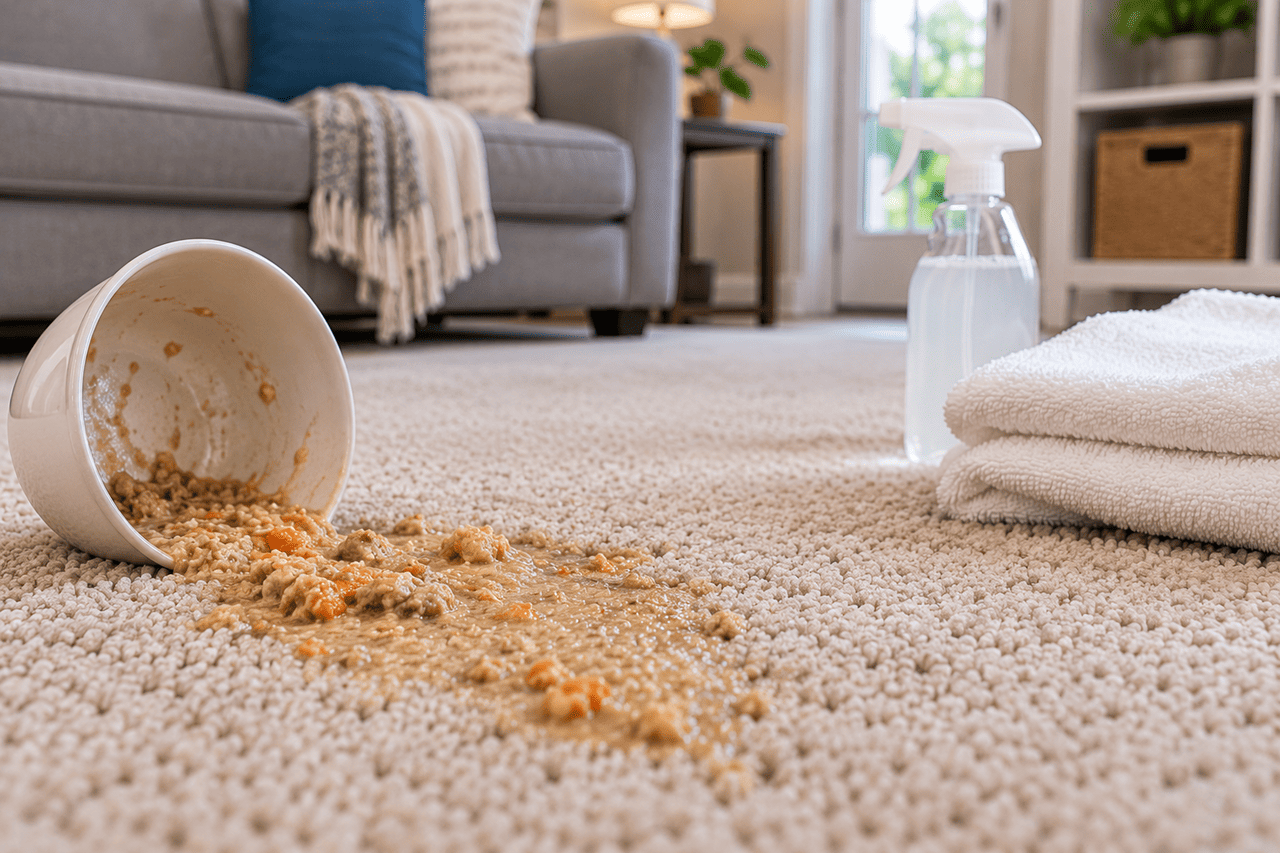
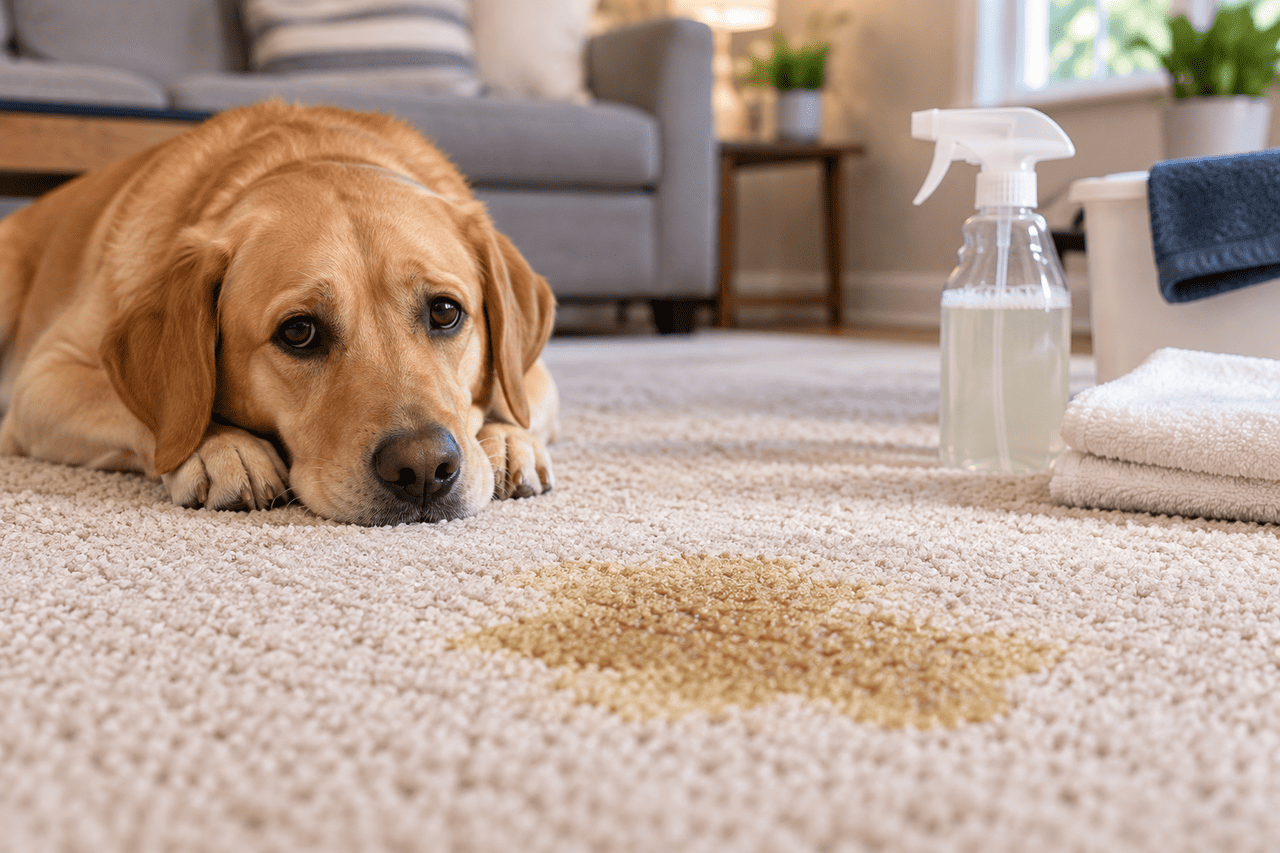
If chewing gum, food spills, pet accidents, dirt, or other stains have left your carpet looking less than its best, Sani-Kleen of Savannah LLC can help.
We provide professional carpet cleaning throughout Savannah and surrounding communities, including Pooler, Richmond Hill, Port Wentworth, Garden City, Wilmington Island, Tybee Island, Rincon, Springfield, Guyton, and Skidaway Island.
Sani-Kleen has served the area since 2003 and offers eco-friendly, fast-drying carpet-cleaning services.
Call Sani-Kleen of Savannah at (912) 414-0652 to request a quote or schedule professional carpet cleaning.



%20(1).png)