Pumpkin carving, fall baking, and Halloween celebrations can create wonderful memories. They can also leave stubborn orange stains on carpets, rugs, and upholstered furniture.
Whether a spoonful of pumpkin puree falls onto the carpet, a slice of pumpkin pie lands on the sofa, or children track pumpkin pulp across the living room, the resulting mess can be difficult to clean.
Pumpkin stains are especially noticeable on light-colored fabrics. The orange pigments can remain visible even after the solid material has been removed, while pumpkin pie filling may introduce oils, dairy ingredients, sugar, and spices that require additional attention.
Fortunately, many pumpkin stains can be improved or removed when treated promptly and carefully.
If you're wondering how to get pumpkin stains out of carpet and upholstery, this guide explains how to handle fresh spills, dried pumpkin residue, pumpkin pie filling, and stubborn orange discoloration without unnecessarily damaging the material.
Pumpkin contains natural pigments called carotenoids, including beta-carotene, which contribute to its familiar orange color.
When pumpkin pulp or puree comes into contact with carpet, these pigments can transfer onto the fibers.
The challenge becomes greater when pumpkin is combined with other ingredients.
For example, pumpkin pie filling may contain:
These ingredients can create a mixture of colored residue, fats, and organic material.
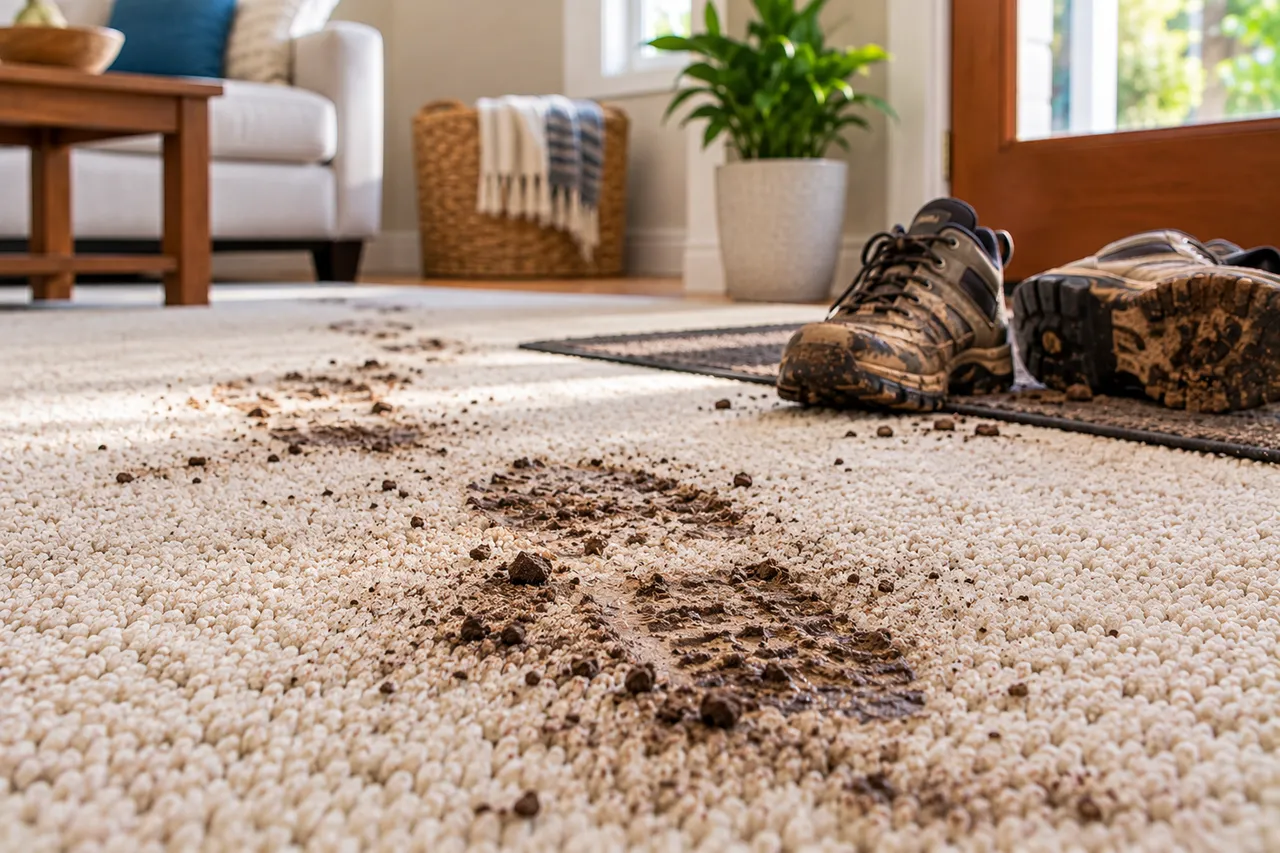
Pumpkin carving also produces stringy pulp and seeds that can become trapped in carpet fibers.
The correct cleaning approach depends on whether you're dealing with raw pumpkin, cooked puree, pie filling, or a dried stain.
The first few minutes are important.
Avoid rubbing the pumpkin into the carpet.
Instead, focus on removing as much material as possible before treating the remaining stain.
Use a spoon or dull-edged tool to carefully lift away pumpkin pulp, puree, or pie filling.
Work from the outside of the spill toward the center.
Avoid pressing the material deeper into the fibers.
Use a clean white cloth or plain white paper towels to absorb remaining liquid.
Blot gently.
Do not scrub.
Check whether the affected surface is synthetic carpet, wool, an area rug, or upholstered furniture.
Different materials require different care.
Use a product suitable for the material and stain.
Test it in an inconspicuous area when recommended.
Apply cleaning solution to a cloth rather than pouring large amounts directly onto the stain.
Controlled treatment reduces the risk of spreading residue.
Fresh pumpkin stains are generally easier to address than dried ones.
However, soft puree can spread quickly when rubbed.
Carefully lift excess pumpkin with a spoon.
Do not grind it into the carpet.
Use clean white towels to absorb transferable residue.
Replace towels as they become soiled.
For compatible synthetic carpeting, a small amount of mild clear dishwashing liquid diluted in water may help loosen remaining residue.
Apply it with a clean cloth.
Work from the outside inward.
Avoid aggressive rubbing.
Use another clean cloth lightly dampened with water to remove remaining cleaner.
Blot with a dry towel and allow the area to dry thoroughly.
Inspect the stain once the carpet is dry.
Dried pumpkin can become attached to carpet fibers and leave noticeable orange discoloration.
Begin by removing the physical residue.
Use a dull-edged tool to carefully lift dried pumpkin that separates easily.
Avoid sharp knives or blades.
Once the material is completely dry, vacuum appropriate loose particles.
Do not vacuum wet or sticky pumpkin puree.
For compatible carpeting, controlled moisture may help soften dried pumpkin.
Use a damp cloth rather than soaking the carpet.
Follow the product manufacturer's directions.
Blot gently.
Allow the carpet to dry before evaluating remaining discoloration.
If the orange stain persists, further treatment may be needed.
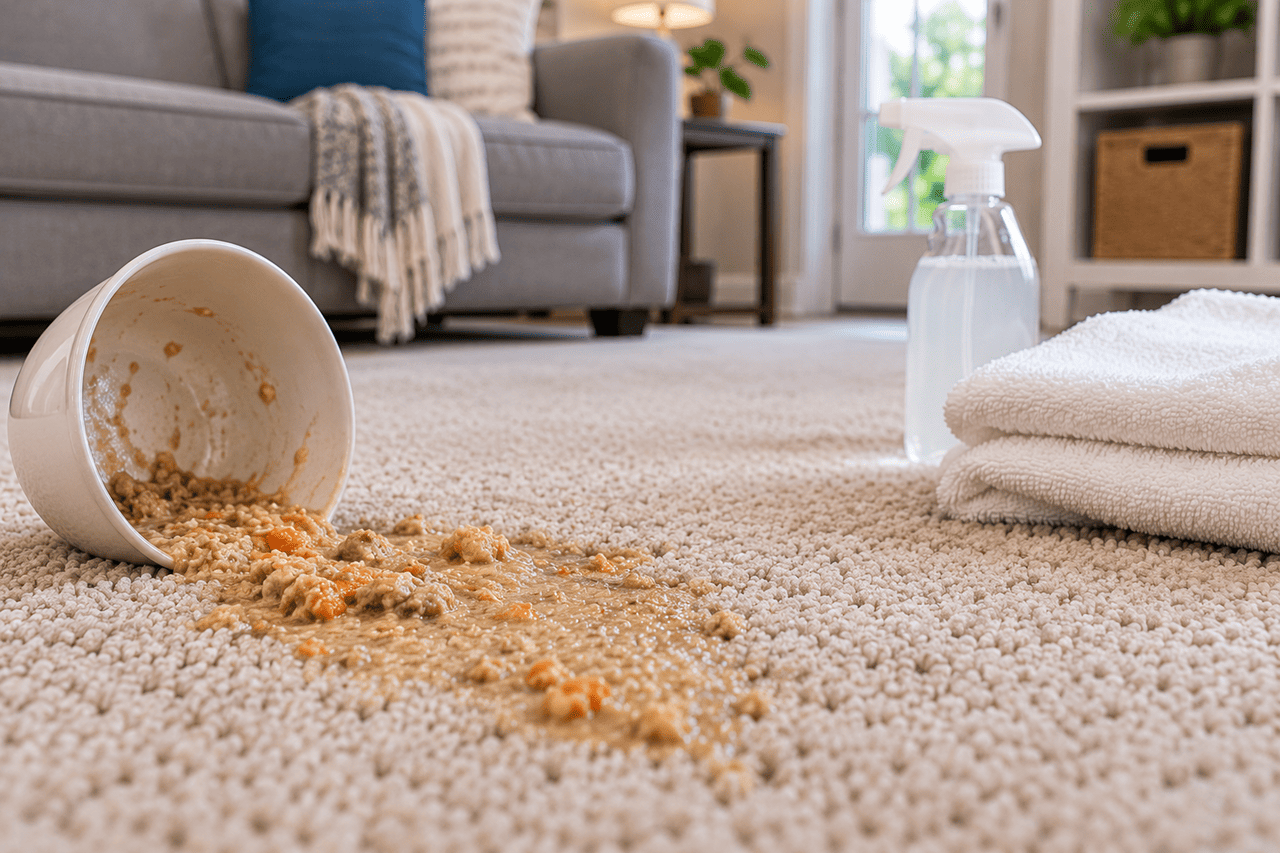
Pumpkin puree is one of the most common causes of pumpkin-related stains.
Its soft consistency allows it to spread easily between carpet fibers.
Start by lifting as much puree as possible.
Use a spoon rather than rubbing it with a towel.
Once the bulk has been removed, blot the affected area.
For suitable synthetic carpet, a mild diluted dishwashing solution may help remove remaining residue.
Avoid excessive detergent.
After cleaning, remove remaining solution with a lightly dampened cloth.
Blot dry.
If the stain remains orange after the puree is gone, you may be dealing with residual pigment rather than physical pumpkin.
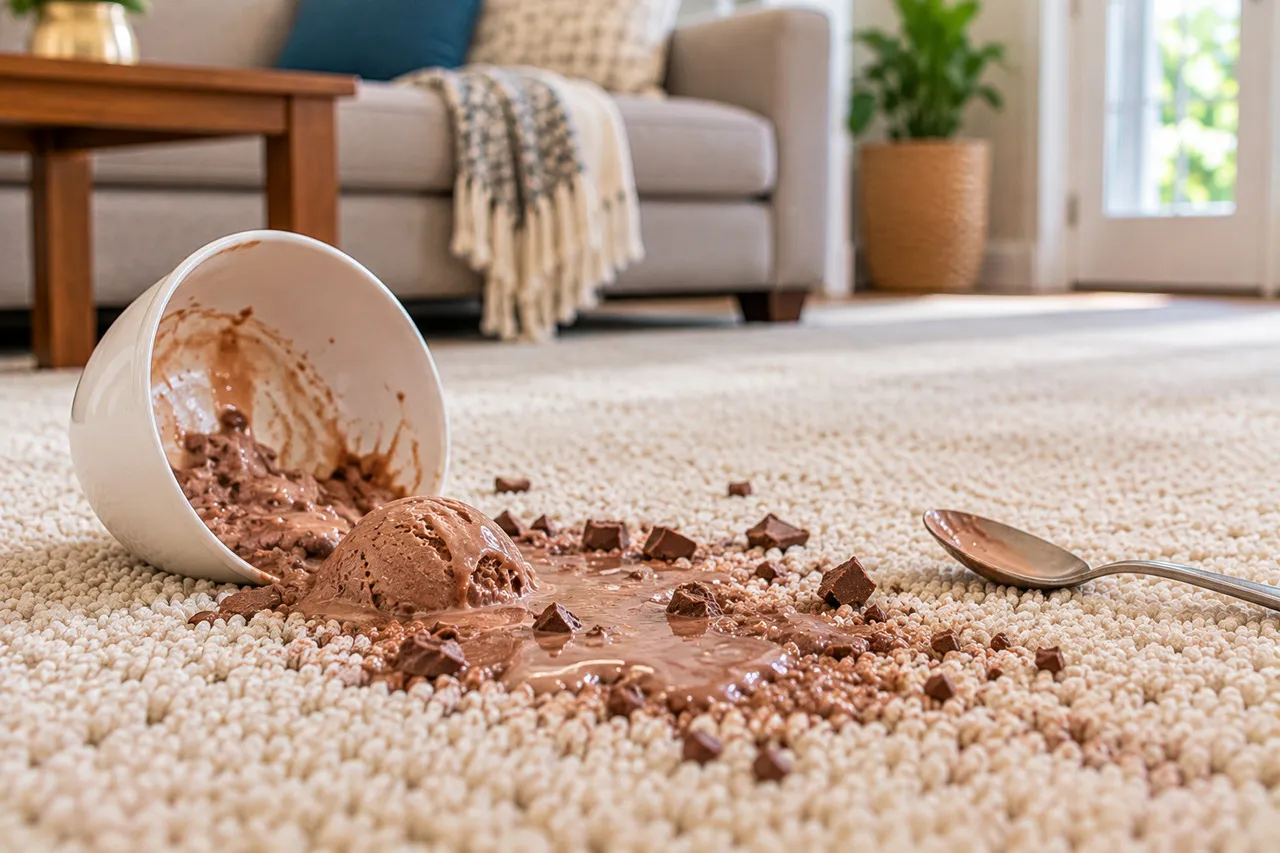
Pumpkin pie filling creates a more complicated stain because it often contains ingredients beyond pumpkin.
Milk, cream, sugar, eggs, and spices may leave additional residue.
Carefully lift the filling using a spoon.
Use clean white towels to absorb moisture.
Choose a product suitable for food-related stains and the carpet material.
Follow the product instructions and avoid over-wetting the carpet.
Dairy-containing spills can leave unpleasant odors if residue remains.
Allow the area to dry and inspect it afterward.
If the smell persists, additional cleaning may be necessary.
Pumpkin stains can also affect sofas, dining chairs, ottomans, and other upholstered furniture.
However, upholstery should not automatically be cleaned using the same method as carpet.
Different fabrics have different care requirements.
Look for a manufacturer's care tag.
Common codes include:
These codes are general indicators. Always follow the manufacturer's specific instructions.
Carefully lift away solid material.
Avoid pressing it into the fabric.
Use a clean white cloth to absorb remaining residue.
Choose a product appropriate for the upholstery's cleaning code.
Test as recommended.
Excess moisture can penetrate upholstery padding and increase drying time.
Provide appropriate airflow and avoid using the affected area until it has dried.
If pumpkin puree lands on a fabric sofa, act promptly.
Remove excess material using a spoon.
Blot remaining moisture.
Then check the upholstery care tag.
For water-cleanable fabric, an appropriate upholstery-safe cleaning solution may help.
Do not assume that dish soap, vinegar, or another household product is suitable for every sofa.
If the fabric is delicate or the stain is large, professional upholstery cleaning may be preferable.
Area rugs vary considerably in construction.
A synthetic machine-made rug may tolerate methods that are unsuitable for wool, handmade, or antique rugs.
Start by removing excess pumpkin.
Avoid rubbing.
Check the rug's care instructions.
For delicate rugs, avoid excessive moisture and unverified cleaning chemicals.
If the pumpkin has penetrated deeply or the rug contains unstable dyes, professional rug cleaning may be the safer option.
A small amount of mild clear dishwashing liquid diluted in water may help with some pumpkin residue on compatible synthetic carpeting.
However, dish soap is not a universal stain remover.
Use a small amount.
Apply it with a cloth.
Avoid saturating the carpet.
After treatment, carefully remove remaining detergent with another lightly dampened cloth.
Excess soap can leave residue that attracts dirt.
Vinegar is frequently suggested in homemade cleaning recipes.
However, it should not be considered a guaranteed solution for pumpkin stains.
Carpet and upholstery materials vary.
Before using vinegar, check the manufacturer's cleaning recommendations.
Test in an inconspicuous area when appropriate.
Avoid mixing vinegar with bleach or unrelated cleaning chemicals.
Baking soda is commonly used for absorbing certain odors and moisture.
However, it should not be expected to remove every orange pigment stain.
If pumpkin puree remains embedded in carpet, the physical material should be removed first.
Applying baking soda over the mess does not replace proper cleaning.
Use products appropriate for the material and the type of stain.
Hydrogen peroxide sometimes appears in DIY stain-removal advice.
However, it can affect carpet and fabric dyes.
Using it without confirming material compatibility may cause permanent discoloration.
This is particularly important for darker upholstery, wool, and specialty rugs.
Before using peroxide, verify that it is appropriate for the material.
If you are uncertain, professional advice may be safer.
Sometimes the pumpkin pulp disappears, but an orange mark remains.
This may happen because pigments have transferred into the fibers.
Other possible causes include:
Allow the carpet or upholstery to dry before evaluating the result.
If discoloration remains, avoid repeatedly applying stronger household chemicals.
Professional stain treatment may be appropriate.
Yes, some pumpkin stains can become difficult or impossible to remove completely.
The result depends on:
Fresh stains generally provide a better opportunity for successful treatment than old stains.
However, complete removal cannot be guaranteed in every situation.
Several common mistakes can make the problem worse.
Scrubbing can spread pumpkin pigments and damage fibers.
Flooding carpet or upholstery can increase drying time and spread residue.
Bleach can permanently alter fabric or carpet color.
Combining household cleaners can create safety risks and damage materials.
Soap residue can attract soil.
Knives and blades can cut carpet fibers or upholstery fabric.
If a stain is not responding, stop before creating permanent damage.
Pumpkin carving is one of the most enjoyable Halloween traditions.
However, it can also create a considerable mess.
A few precautions can help protect your carpet.
Choose a kitchen, dining area, patio, or another easy-to-clean surface.
Place a suitable washable mat or protective covering beneath the carving area.
Use a bowl for seeds and stringy pulp.
Pumpkin puree and pie filling can spill while being transported.
Fresh pumpkin is generally easier to remove than dried residue.
Pumpkin pulp can transfer from clothing or footwear onto carpet.
Halloween and Thanksgiving gatherings often involve pumpkin desserts.
To reduce spills:
These precautions can reduce the risk of stubborn food stains.
Professional carpet cleaning may improve or remove many pumpkin stains.
However, results depend on the material and severity of the problem.
Factors include:
A responsible cleaner should evaluate the stain before promising a particular result.
If you have already used household cleaning products, tell the cleaning professional what you applied.
Fall gatherings, Halloween celebrations, and everyday household activities can leave carpets and upholstered furniture stained.
Pumpkin puree, chocolate, coffee, food spills, pet accidents, and other substances may require different cleaning approaches.
When careful DIY cleaning does not resolve the problem, professional cleaning may be the next step.
Sani-Kleen of Savannah LLC has provided carpet-cleaning services throughout the Savannah area since 2003.
Our services include residential carpet cleaning, commercial carpet cleaning, sanitizing and odor elimination, upholstery and furniture cleaning, and area rug cleaning.
We use eco-friendly, fast-drying cleaning methods designed to refresh carpets without unnecessarily long drying periods.
If you have a stubborn pumpkin stain on carpet or upholstery, contact Sani-Kleen to discuss your cleaning needs.
Autumn activities can introduce several types of soil and stains into the home.
Common examples include:
Regular vacuuming helps remove loose soil.
Prompt spot treatment can reduce the chance of stains becoming more difficult to remove.
Avoid excessive detergent and harsh DIY chemical mixtures.
Periodic professional carpet cleaning can help maintain the appearance of carpeting in busy households.
Carefully remove excess pumpkin with a spoon, blot remaining residue, and use an appropriate carpet-safe cleaning solution. Avoid scrubbing or saturating the carpet.
Gently lift dried material, then use a carpet-compatible cleaning method to treat remaining residue. Avoid aggressive scraping.
Some pumpkin stains may leave lasting discoloration depending on the carpet material, stain age, and previous cleaning attempts.
Remove excess filling, blot remaining moisture, and use an appropriate carpet-safe cleaner. Because pie filling may contain dairy and fats, thorough residue removal is important.
A small amount of mild dishwashing liquid diluted in water may help with some pumpkin residue on compatible synthetic carpeting. Avoid excessive soap.
Check the upholstery care tag first. Remove excess pumpkin, blot gently, and use a cleaning product appropriate for the fabric.
Vinegar is sometimes suggested for household stains, but it is not guaranteed to work and may not be appropriate for every carpet or upholstery fabric.
Professional cleaning may improve or remove many pumpkin stains. Results depend on the material, stain age, severity, and previous treatments.
Consider professional assistance when:
Knowing when to stop experimenting can help prevent unnecessary damage.
If pumpkin, chocolate, coffee, pet accidents, or other stubborn stains have left your carpet or furniture looking less than its best, Sani-Kleen of Savannah LLC can help.
We provide professional carpet and upholstery cleaning throughout Savannah and surrounding communities, including Pooler, Richmond Hill, Port Wentworth, Garden City, Wilmington Island, Tybee Island, Rincon, Springfield, Guyton, and Skidaway Island.
Sani-Kleen has served the Savannah area since 2003 and offers eco-friendly, fast-drying cleaning methods.
Call Sani-Kleen of Savannah at (912) 414-0652 to request a quote or schedule professional cleaning.