.png)
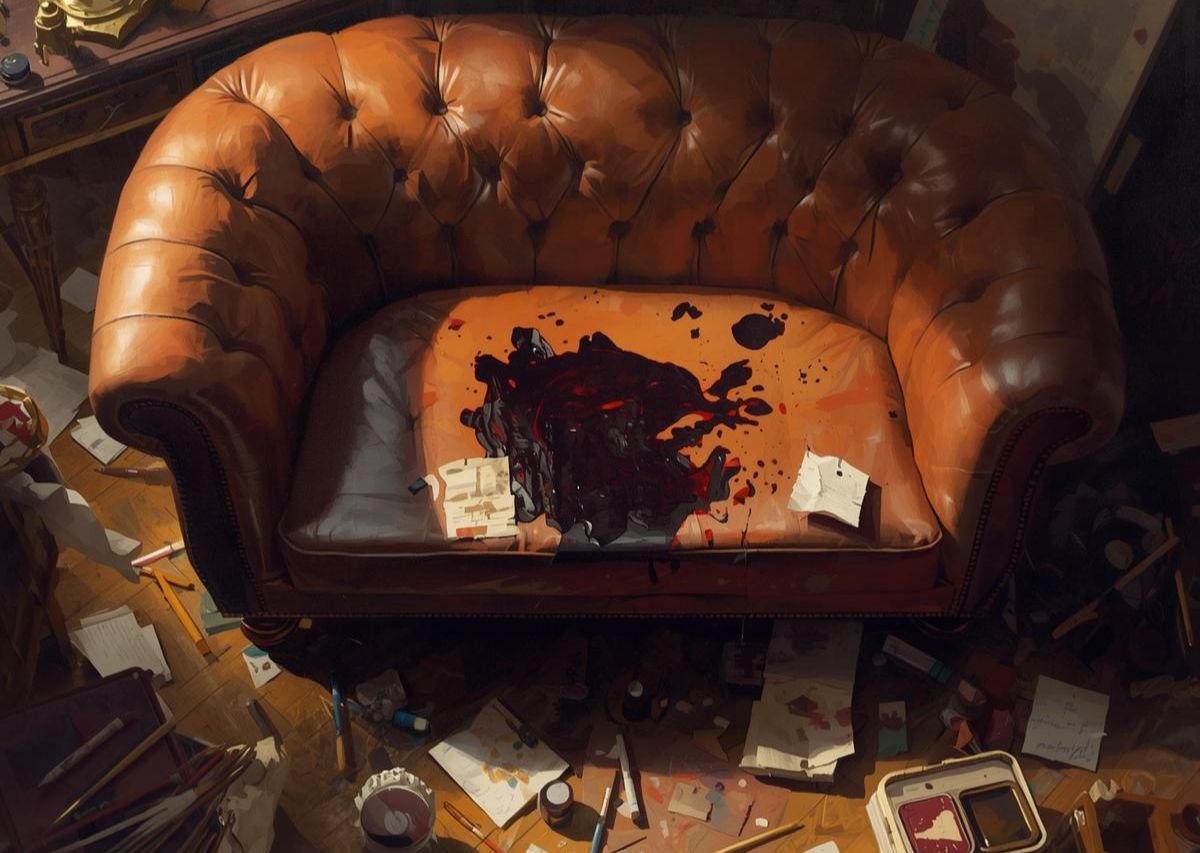
Discovering an ink stain on your leather couch can feel devastating, especially considering the investment quality leather furniture represents. Whether a pen leaked in someone's pocket, children got creative with markers, or an accidental scribble marred your beautiful upholstery, ink stains require immediate attention and proper technique for successful removal. This comprehensive guide explores proven methods to safely remove ink from leather couches, helping Savannah homeowners restore their furniture without causing additional damage to delicate leather surfaces. For homeowners who prefer expert care from the start, professional upholstery and leather cleaning services in Savannah offer safe, effective stain removal without the risk of damage.
Leather is a porous natural material that readily absorbs liquids, including ink, which makes stain removal challenging but not impossible. Real leather absorbs ink and moisture more readily than synthetic alternatives, requiring extra care during the cleaning process. The key to successful ink removal lies in acting quickly before the stain sets deeply into the leather fibers. Fresh ink stains respond much better to treatment than dried, set-in marks that have had time to penetrate through multiple layers of the leather.
Different types of leather react differently to cleaning solutions, with finished leather tolerating more aggressive treatments than delicate or unfinished varieties. Understanding your leather type before attempting stain removal prevents accidental damage that could worsen the problem. Always test any cleaning method on an inconspicuous area first, such as the back bottom edge of your couch, to ensure the solution won't cause discoloration, stripping, or other damage to your specific leather finish.
The moment you notice fresh ink on your leather couch, your first action should be gentle blotting to remove excess ink before it spreads or penetrates deeper. Take a clean, dry cloth or paper towel and gently dab the stain without rubbing or moving the cloth around, which could spread the ink to unaffected areas. Continue blotting until the ink dries and no more ink transfers to your cloth.
This initial blotting step removes surface ink and makes subsequent cleaning efforts significantly more effective. Never rub or scrub aggressively during this stage, as forceful rubbing pushes ink deeper into leather fibers and expands the stained area.
Rubbing alcohol, specifically isopropyl alcohol in 70 to 90 percent concentration, ranks among the most effective solutions for removing ink from leather. This household staple breaks down ink molecules without being overly harsh on most leather finishes. Dampen a cotton ball, cotton swab, or soft white cloth with rubbing alcohol, never applying it directly onto the leather surface.
Gently dab the ink stain from the outside edges toward the center to prevent spreading. As the cotton absorbs ink, replace it with a fresh one and continue dabbing until the stain fades. After the ink lifts, immediately wipe the area with a clean, damp cloth and follow with leather conditioner.
For fresh or light ink stains, a simple mixture of mild soap and warm water often provides sufficient cleaning power without the risks associated with stronger solvents. Mix a few drops of mild dish soap with warm water, then gently clean using circular motions. This approach works particularly well as a first attempt before progressing to stronger cleaning agents.
White vinegar offers a natural, gentle cleaning option that works well on delicate leather or older furniture pieces. Mix equal parts white vinegar and water or combine vinegar with olive oil for added conditioning benefits. Dab gently and always condition afterward to restore moisture.
For deeply set-in stains, acetone-free nail polish remover can be effective when used sparingly. Always test first and wipe away residue immediately. This method should only be used after gentler options fail.
Baking soda helps lift dried ink with mild abrasive action, while cornstarch absorbs fresh wet ink effectively. These gentle methods are low-risk and suitable for repeated applications when needed.
Always dab rather than rub, work in small sections, and avoid oversaturating the leather. Finish every cleaning session with conditioning to maintain flexibility and prevent cracking.
Some ink stains prove too stubborn or risky for DIY removal, especially on delicate or expensive leather furniture. If home methods fail, professional leather cleaning services in Pooler provide specialized tools and expertise that safely remove ink without damaging your furniture’s finish.
Removing ink from leather couches requires patience, proper technique, and the right approach for your specific leather type. Acting quickly and conditioning afterward dramatically improves results. When DIY methods aren’t enough, professional upholstery cleaning ensures complete stain removal without unnecessary risk.
Homeowners seeking expert upholstery and leather cleaning in Richmond Hill can rely on trusted professionals who understand the complexities of leather care and deliver safe, long-lasting results.



%20(1).png)