.png)
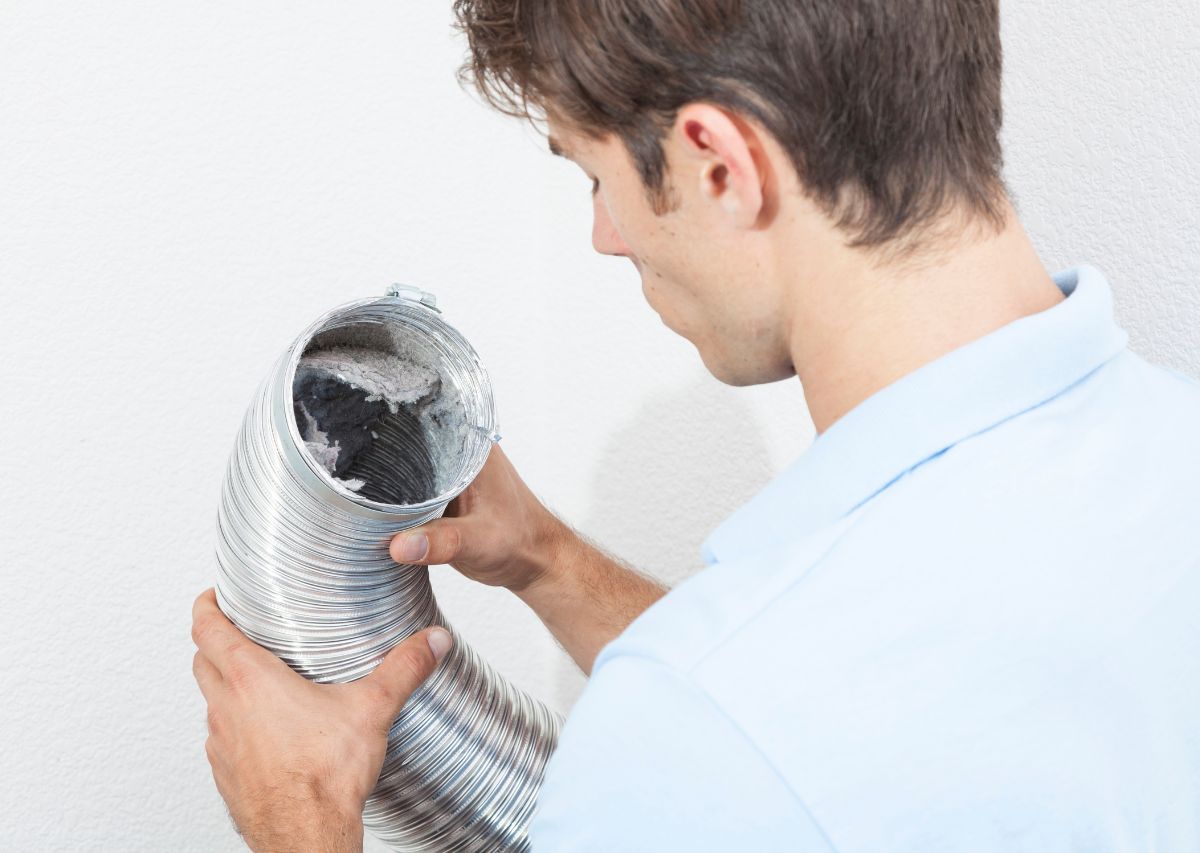
Knowing how to clean a dryer vent is one of those small home tasks that makes a big difference. A clear vent helps your dryer work better, lowers the risk of overheating, and can reduce the chance of a dryer related fire in your home. Just like regular carpet and upholstery care, this kind of maintenance supports a healthier living space—something trusted Savannah carpet and home cleaning professionals often remind homeowners to stay on top of.
Over time, lint builds up in the vent line, wall outlet, and exterior hood. Even if you empty the lint trap every load, this hidden buildup can restrict airflow. A careful cleaning once or twice a year keeps things moving the way they should.
Every time you dry clothes, tiny fibers and lint move into the exhaust system. Some get caught in the lint screen, but not all. The rest can settle along the vent walls and around the exterior cap, slowly closing off the path where hot air should escape.
When airflow is blocked, your dryer has to work harder, cycles take longer, and parts are exposed to more heat and strain. Learning how to clean dryer vent passages is about safety, but it also helps protect your appliance and can save energy over time.
You do not always see lint buildup directly, so it helps to watch for common signs. Paying attention to these early warnings can remind you it is time to clean the vent before it turns into a bigger problem.
Common signs include clothes taking longer to dry, the dryer or laundry room feeling unusually hot, a burnt or musty smell during use, or lint gathering around the exterior vent. If you notice more than one of these, it is worth planning a thorough cleaning soon.
You do not need complicated gear to get started. For a basic cleaning, gather a vacuum with a hose attachment, a screwdriver, a small brush, and if possible, a flexible dryer vent cleaning brush that can reach deeper into the vent line.
Check the material of your vent as well. Smooth metal ducting is preferred and easier to clean. Older, flexible plastic or foil ducts can trap lint more easily and may need extra care or even replacement if they are crushed, torn, or heavily worn.
Here is a simple way to approach the job:
Take your time with each step. The goal is to remove visible lint without damaging the vent or forcing debris deeper into the line. If a section feels blocked or very hard to reach, that may be a sign to consider professional cleaning support in Pooler from specialists familiar with deeper buildup and hard-to-access vent systems.
Even when you empty the lint screen, the space around it can hold lint that slips past. As part of learning how to clean dryer vent pathways, it is a good idea to look just below the screen and in any accessible crevices the vacuum hose can reach.
Use a narrow attachment or small brush to loosen lint around the lint housing, then vacuum it up gently. Avoid pushing too hard or using tools that could damage internal parts. Regular attention to this area helps reduce how much lint reaches the vent line.
Outside, find where your dryer vent exits the home. This vent hood should open freely when the dryer runs and close when it is off. Lint, dust, and even leaves or nesting materials can collect here and block airflow.
Clear away visible lint and debris around the vent cover. If the flap is stuck or does not open easily, clean the hinge area and remove any buildup behind it. This is an important part of how to clean dryer vent systems because blockages often start right at the exit.
Safety should come first any time you work around appliances and vents. Always unplug the dryer before you start and be careful of sharp vent edges when you disconnect or move components. Work slowly and be mindful of your footing as you move the dryer.
If you smell gas, see damaged wiring, or notice signs of scorching around the outlet, stop and seek help from a qualified technician. Dryer vent cleaning is useful, but it does not replace the need for professional attention if there are signs of a larger mechanical or electrical issue.
How often you should clean a dryer vent depends on how much laundry you do and how long the vent run is. A large household that runs the dryer daily will need more frequent checks than someone who does a few loads a week.
As a general habit, many homeowners benefit from a thorough vent cleaning once a year. If you notice early signs of trouble like slower drying or more heat in the laundry area, you may want to move that schedule up and check things sooner.
Sometimes, even after you follow the steps on how to clean dryer vent lines, you still notice issues. This can happen if the vent run is long, has several bends, or if lint has been building up for many years without a deep clean.
In these cases, professional tools can reach farther and remove heavier buildup. A trained technician can also check for crushed ducts, loose connections, or other problems that are easy to miss but can seriously affect performance and safety.
A clean vent does more than cut down drying times. It can reduce wear on your dryer, lower the risk of overheating, and help keep the laundry area more comfortable. Many people also notice less dust and humidity when airflow is working as it should.
For homeowners in humid places like Savannah, proper venting helps move moist air outside instead of letting it linger indoors. That can be especially helpful in keeping your laundry area from feeling damp and discouraging musty smells or mildew.
Sani-Kleen already helps Savannah homeowners care for carpets, rugs, and soft surfaces that collect dust and allergens. Knowing how to clean dryer vent systems fits the same idea: taking care of hidden areas that affect both comfort and safety.
While you handle smaller tasks, we can support you with deeper cleaning when needed. Combining routine dryer vent care with regular carpet and upholstery cleaning helps keep your home cleaner overall, from the floors you walk on to the air you breathe.
If your dryer vent run is long, hard to access, or shared with a tight utility space, it is understandable to feel unsure about reaching every part of it. That is a good time to ask for help instead of forcing tools into tight spaces and risking damage.
If you are in the Savannah area—especially Richmond Hill homeowners looking to address lingering odors, dust, or deep cleaning needs around the laundry space—Sani-Kleen is ready to listen. You can call (912) 414-0652 or email sanikleenofsavannah@gmail.com to talk about what you are noticing at home.








%20(1).png)