.png)
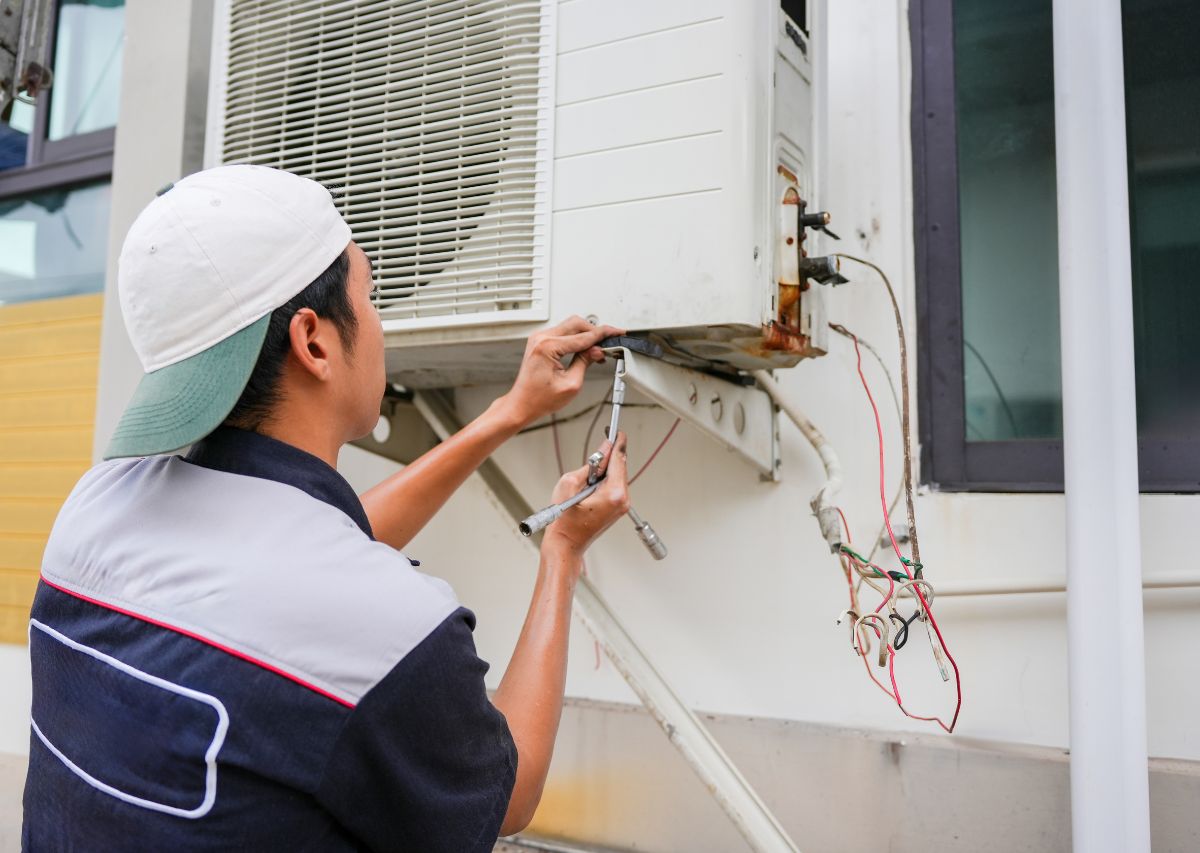
Air conditioning and refrigeration systems are closed loops designed to function with a pristine, sterile mix of refrigerant and oil. When a major component fails, most commonly the compressor, that closed loop becomes instantly contaminated with debris, metal filings, carbon, acid, and sludge. For homeowners and facility managers in the Savannah area—including those relying on Savannah HVAC service experts in Pooler, GA—this contamination becomes a silent threat that can destroy newly replaced components if not addressed properly.
The simple act of replacing a failed compressor without addressing the full system contamination is the number one cause of repeat HVAC failure. The debris remaining in the lines will be carried by the circulating oil to the tightest points of the new system, the thermal expansion valve (TXV) or the orifice tube, causing immediate clogs and sending debris directly into the bearings of the new compressor.
For any committed homeowner or facility manager in the Savannah, GA area, the goal is not just cool air, but clean, reliable air. A contaminated AC system works harder, fails sooner, and can introduce burnt odors and acidity into the air quality. While Sani-Kleen focuses on cleaning the air’s endpoint—your carpets, ducts, and surfaces—the necessity of a clean HVAC unit core cannot be overstated. This guide delves into the technical, mandatory process of how to flush an AC system correctly, a procedure that requires specialized tools and expert handling.
Understanding the enemy is the first step in successful AC remediation. A compressor failure, particularly a motor burnout in a hermetic or semi-hermetic unit, generates several destructive contaminants that circulate throughout the system:
When compressor motor windings burn, high temperatures cause the refrigerant and oil to decompose, forming highly corrosive acids. These acids attack copper piping and seals, leading to leaks and further breakdown.
Mechanical failures introduce metal fragments and carbonized deposits that become highly abrasive to the system.
Excess moisture forms acid, while trapped air raises system pressure—both deadly to system longevity.
Skipping the flushing process means introducing a brand-new compressor into an acidic, debris-filled environment where it cannot survive.
Flushing an AC system is a job for trained HVAC technicians. It requires high pressure, certified refrigerant handling, and hazardous chemical management.
Mandatory Requirements Include:
Some AC components must never be flushed:
Attempting to flush delicate metering devices or a compressor will cause immediate failure.
In this technical and complex middle portion of the process—where contamination control and system integrity are critical—it becomes clear why many homeowners rely on professional AC system cleaning support in Richmond Hill to ensure these procedures are done correctly.
Disconnect line sets at suction and discharge sides, isolating each component.
Powerful flushing solvent is injected and pushed with nitrogen to remove all sludge, metal, and acid.
Nitrogen is used to eliminate all remaining solvent before reassembly.
Pressurized nitrogen ensures airtight system integrity.
The most important step for moisture removal:
Fresh oil and refrigerant are added per manufacturer specifications.
Knowing how to flush an AC system underscores how complex true HVAC hygiene really is. A properly cleaned and restored HVAC unit drastically improves efficiency, indoor air quality, and system longevity.
A clean HVAC system also complements Sani-Kleen’s mission of whole-home hygiene—from carpets to ducts to textiles. For homeowners seeking deeper indoor cleanliness or contamination-related cleanup, expert assistance is essential.
If you are managing a contaminated home environment or require professional cleaning services in the Savannah area that improve indoor air quality, including carpet, upholstery, and air duct cleaning, please consider Sani-Kleen. You can call (912) 414-0652 or email sanikleenofsavannah@gmail.com.
For those within nearby service areas, Sani-Kleen also offers trusted HVAC-related cleaning services in Port Wentworth to support cleaner air and healthier homes.
1. When is flushing mandatory?
After a compressor burnout or any event that introduces metal, acid, or sludge into the refrigerant loop.
2. Which components should never be flushed?
Compressors, accumulator/driers, and metering devices must always be replaced.
3. Why is nitrogen essential?
It removes flushing solvent and moisture from inside refrigerant lines.
4. What is the critical final step before charging?
Performing a deep vacuum (triple evacuation) to eliminate moisture and air.
5. Why shouldn’t homeowners attempt AC flushing themselves?
It requires regulated refrigerant handling, high-pressure nitrogen, and hazardous chemicals.




%20(1).png)