.png)
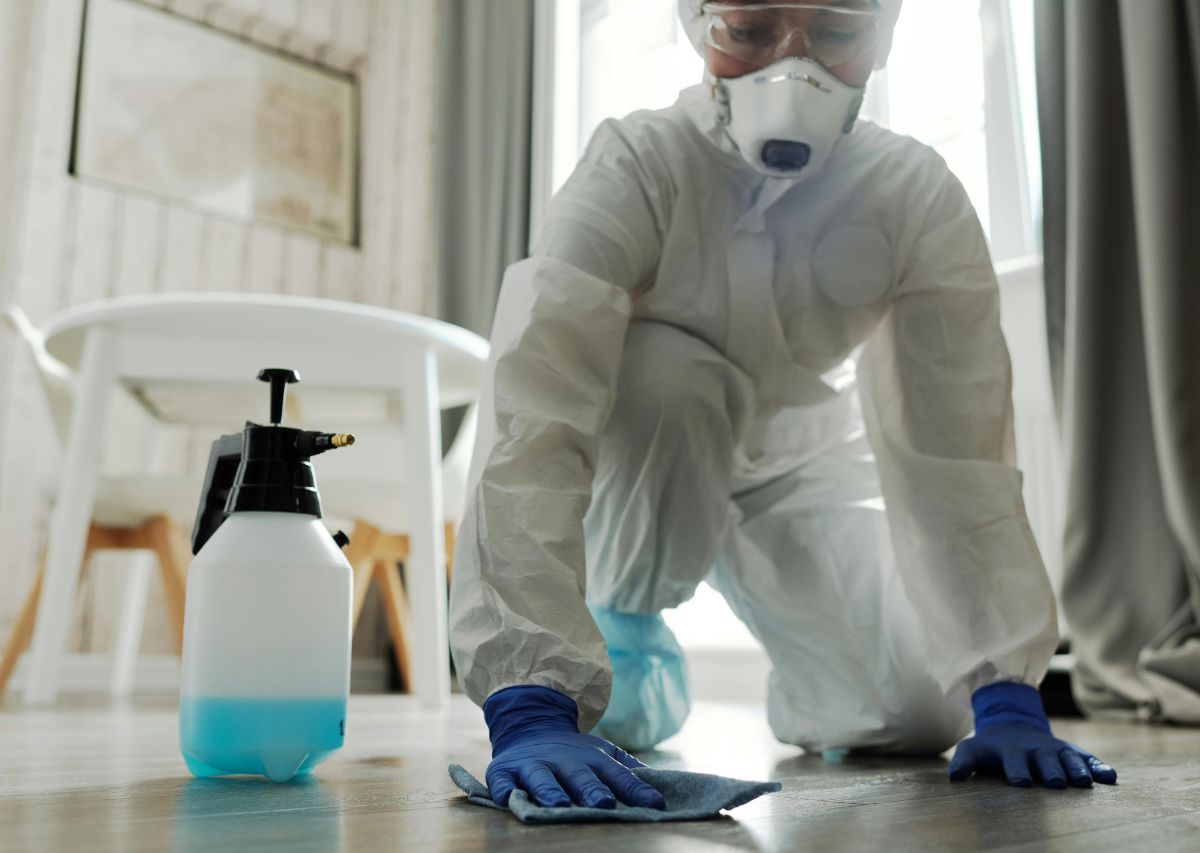
Hardwood floors are an undeniable investment in the beauty and value of your Savannah, GA home. They bring warmth, elegance, and durability that few other flooring types can match. However, beneath that glossy, inviting surface lies a vulnerable natural material that requires specific and careful maintenance, especially when the goal is disinfection. Many homeowners in the area—whether they’re searching for hardwood floor care services in Pooler, GA or elsewhere—want the safest and most effective approach for protecting their floors.
In today's world, maintaining a truly hygienic home environment is a top priority for homeowners. We want to eliminate germs, bacteria, and viruses that shoes track in or that accumulate in high-touch, high-traffic areas. This desire for deep cleanliness naturally leads to the question: How to disinfect hardwood floors effectively without ruining their finish, causing discoloration, or leading to structural damage?
Unfortunately, the very ingredients and methods that make a cleaning agent an effective disinfectant, namely, high potency and prolonged wetness, are the exact elements that can wreak havoc on wood. Aggressive chemicals strip away protective sealants, and excess moisture causes the wood to warp, cup, or crack.
This comprehensive guide is designed to navigate the complexities of deep cleaning and disinfecting your valuable wood floors. We will delve into the critical preparatory steps, expose the harsh chemicals that should never touch your finish, and reveal the safest, low-moisture techniques and products to achieve a truly hygienic home in the Georgia climate. When dealing with an investment this significant, caution and knowledge are paramount.
Before attempting to answer how to disinfect hardwood floors, it is vital to understand the difference between three distinct levels of cleanliness.
Cleaning physically removes dirt, dust, crumbs, and visible grime from the surface using soap or detergent and water. It is a preparatory step since disinfectants cannot work effectively on dirty surfaces.
Sanitizing reduces the number of germs and bacteria to a safe level (often 99.9%) and typically uses milder solutions than full disinfection.
Disinfecting is the most rigorous level and kills nearly all specified pathogens. True disinfection requires contact time, meaning the surface must remain wet for several minutes. This poses a problem for hardwood floors.
Disinfectants need time to work—but wood cannot tolerate prolonged moisture. Any method must minimize wetness while still achieving germ reduction.
Hardwood floors depend on their protective finish—usually polyurethane or aluminum oxide—to shield the wood from moisture. Once this finish is compromised, even small amounts of water can seep in and cause:
Older floors with penetrating oil or wax finishes are especially vulnerable and require specialized care.
Traditional wet mops or steam cleaners should never be used. Even light streaks of water can be absorbed into seams and grain.
The following disinfectants damage hardwood finishes and should never be used:
Though natural, vinegar is acidic and gradually dulls or eats away at polyurethane.
Both are strong disinfectants but far too harsh for wood, causing:
Steam forces moisture into the wood, while wet mops leave pooling water—both extremely destructive.
To disinfect hardwood safely, focus on pH-neutral solutions and ultra-low moisture.
Choose EPA-registered, hardwood-safe products.
Application tips:
This section is a natural point to introduce a service alternative such as professional hardwood floor cleaning in Richmond Hill, GA for homeowners seeking a safer option.
70% alcohol mixed with distilled water evaporates quickly, reducing moisture risk.
Can lighten darker floors. Best for small areas only.
DIY methods can only go so far. For deep sanitization—especially for older floors, delicate finishes, or heavy contamination—professional cleaning is the safest option.
Sani-Kleen provides:
Protecting your hardwood floors means protecting the investment in your home.
Homeowners throughout Savannah and nearby areas—including those looking for hardwood floor sanitization services in Port Wentworth, GA—can rely on our expert solutions.
To discuss your floor’s needs, call (912) 414-0652 or email sanikleenofsavannah@gmail.com.
1. What is the main danger when trying to disinfect hardwood floors at home?
Excess moisture. It causes warping, cupping, or cracking.
2. Why avoid bleach or ammonia?
They permanently strip finishes and damage wood.
3. Is vinegar safe?
No. It dulls and erodes polyurethane finishes.
4. What’s the difference between cleaning, sanitizing, and disinfecting?
Cleaning removes dirt, sanitizing reduces germs, and disinfecting kills nearly all pathogens—but requires wetness.
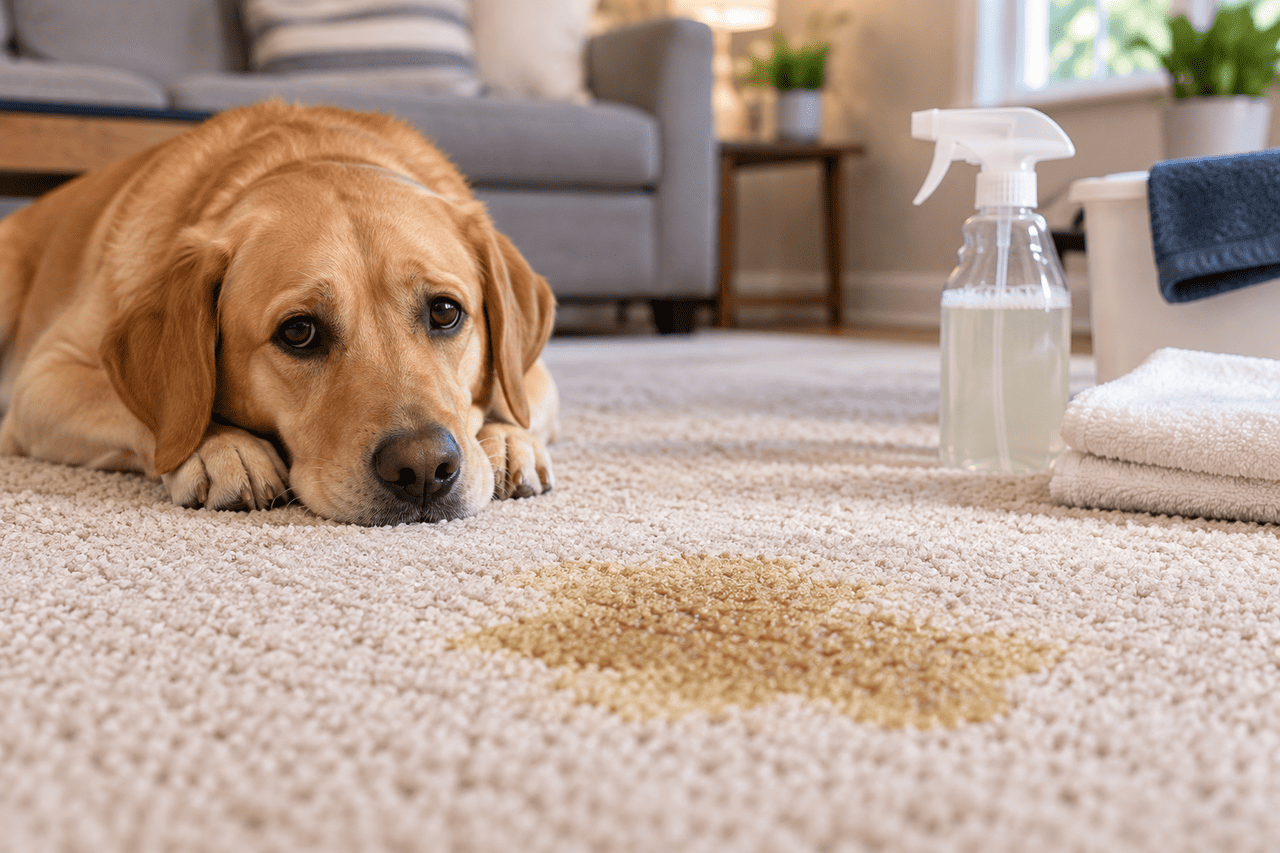
5. What’s the safest way to sanitize a pet mess?
Use enzyme cleaners, followed by gentle alcohol-based sanitizing. For full safety, hire a pro.
.webp)


%20(1).png)