.png)
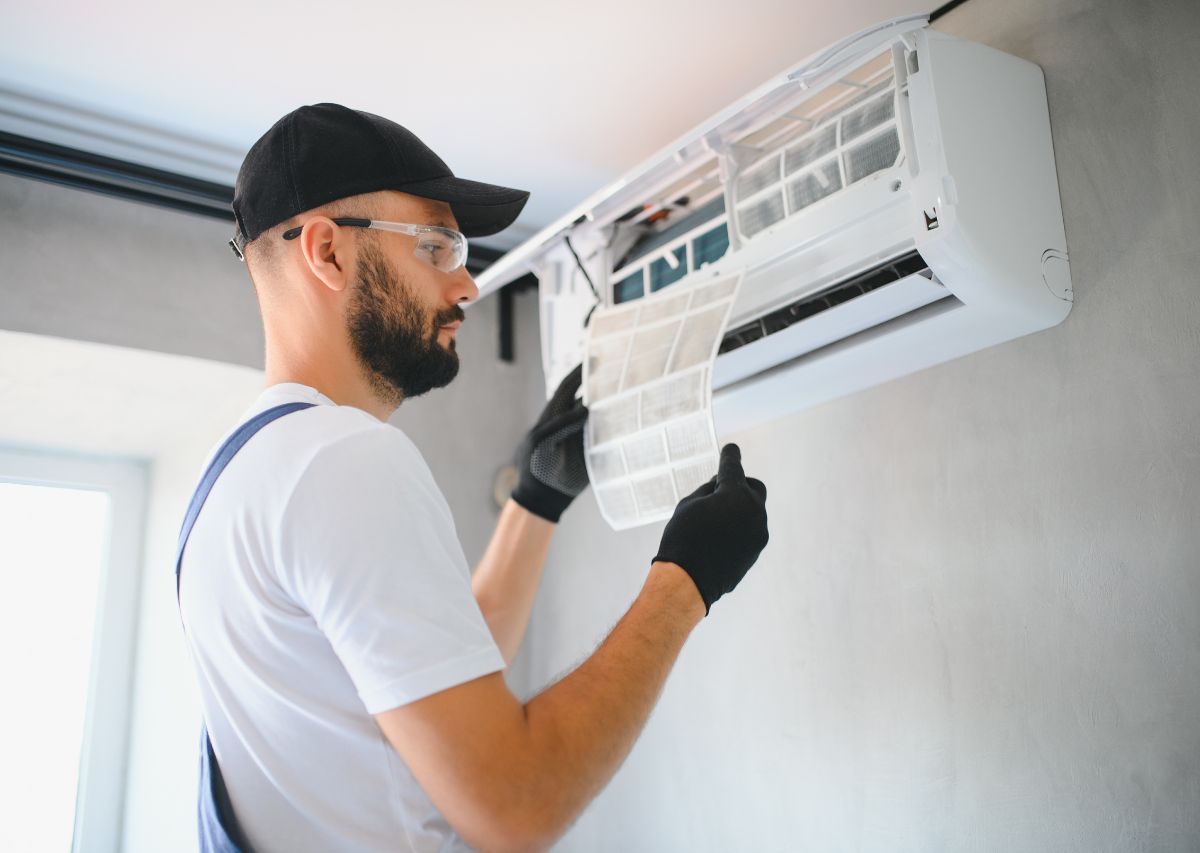
Air filters are one of the most overlooked yet critical components of your home's HVAC system and indoor air quality. These filters trap dust, pet dander, pollen, and other airborne particles that would otherwise circulate through your Savannah home. Over time, filters become clogged with debris, reducing air quality, decreasing system efficiency, and increasing energy costs. At Sani-Kleen, we understand how clean air filters work together with professional carpet and upholstery cleaning to create a truly healthy home environment. Here's our comprehensive guide to cleaning and maintaining air filters effectively.
Your HVAC system's air filter serves a critical purpose: catching airborne particles before they enter your air conditioning and heating equipment. A clean filter traps dust, allergens, pet hair, mold spores, and other contaminants, improving indoor air quality and protecting your HVAC system from damage.
There are two common air filter types. Standard fiberglass filters are disposable, economical, and require replacement every 30 days. Pleated filters are reusable, higher-efficiency options lasting 3 to 6 months before replacement. Some homes use washable filters that can be cleaned and reused indefinitely.
Understanding your filter type determines whether you can clean and reuse it or must replace it. Fiberglass filters cannot be effectively cleaned—when clogged, they must be replaced. Pleated and washable filters can be cleaned, extending their lifespan and saving money.
Your HVAC system's air filter is typically located in one of several places: in a return air duct or blower compartment of your furnace or air handler, in a filter rack mounted on a wall or ceiling, or in a whole-home air purifier unit. Consult your HVAC system's manual or contact your HVAC technician if you're unsure where your filter is located.
Turn off your HVAC system before removing the filter. This prevents air from pushing unfiltered air through your system. Locate the filter's size—it's printed on the frame (typical sizes are 16x25x1, 20x25x1, 16x25x4, or similar dimensions).
Carefully remove the filter, noting the direction of airflow. Filters have an arrow indicating which direction air should flow. When replacing, ensure the new filter's arrow faces the correct direction toward your HVAC equipment.
Examine your filter closely. Light gray or white indicates a relatively clean filter. Dark gray or black indicates a heavily soiled filter. If you can't see through the filter to light beyond it, it's clogged and needs cleaning or replacement.
Check the filter's material. If it's thin fiberglass (typically 1 inch thick), it cannot be effectively cleaned and should be replaced. If it's a thicker pleated filter or clearly made from washable material, it can be cleaned.
For washable and pleated filters, start with dry cleaning. Take your filter outside or to a garage to avoid spreading dust throughout your home. Use a vacuum with an upholstery attachment to gently remove surface dust.
Hold the filter at the frame and vacuum gently in the direction of the airflow arrow. Never vacuum against the airflow direction as this can push dust deeper into the filter material. Repeat on both sides until no more dust comes loose.
For stubborn dust, use a soft brush attachment on your vacuum to gently brush dust from the filter while vacuuming simultaneously. This two-step approach removes more dust than vacuuming alone.
After vacuuming, rinse your filter with water to remove dust and particles that vacuuming didn't capture. Use cool or lukewarm water—never hot water, which can damage filter material.
Hold the filter frame and spray water gently across the filter surface in the direction of airflow. Water flows through the filter more easily in the airflow direction. Never spray against the airflow direction as this can damage the filter material.
For heavily soiled filters, let water run through for 30 to 60 seconds until the water runs relatively clear. For lightly soiled filters, a few seconds of rinsing suffices.
For filters with stubborn dirt or odors, soak in a cleaning solution. Mix warm water with a small amount of mild dish soap. Avoid harsh detergents or bleach, which can damage filter material.
Submerge the filter in the solution and let it soak for 15 to 30 minutes. Gently agitate the filter to help dislodge embedded particles. For heavily soiled filters, multiple soak cycles work better than one long soak.
After soaking, rinse thoroughly with clean water until all soap residue is gone. Any remaining soap reduces the filter's effectiveness and can damage your HVAC system.
This step is critical. Never reinstall a damp air filter as moisture can damage your HVAC equipment and promote mold growth inside your system. Allow filters to dry completely before reinstalling.
Stand the filter upright in a well-ventilated area. Use fans to promote air circulation around the filter, speeding drying. In Savannah's humid climate, air circulation is essential for complete drying. Do not expose filters to direct sunlight or heat as this can warp or damage them.
Drying typically takes 24 to 48 hours depending on filter thickness and humidity levels. Don't rush this step by installing a damp filter—the consequences to your HVAC system aren't worth it.
Some situations call for replacement rather than cleaning. Replace fiberglass filters when clogged—they're inexpensive and designed for single use. If your pleated or washable filter is damaged, torn, or showing signs of deterioration, replace it. If cleaning doesn't restore filter performance (water still beads up rather than flowing through), replace the filter. If your filter is older than 2 to 3 years and shows signs of wear, replace rather than clean.
Savannah's humid coastal climate creates unique challenges for air filters. High humidity increases mold and mildew spores in the air, which can also affect carpets and upholstery. Learn more about how to get mildew smell out of carpet and eliminate musty odors to keep your home fresh year-round. Pollen from Spanish moss and coastal vegetation increases during spring and fall. Salt air near the coast can reduce filter lifespan. Higher moisture levels in Savannah homes mean air filters work harder and become clogged faster.
Savannah residents may need to change or clean filters more frequently than the standard recommendation. Check your filter monthly, especially during allergy seasons. If it appears gray or darker, clean or replace it even if not yet at the typical replacement schedule.
Establish a consistent air filter maintenance schedule. Mark your calendar to check filters monthly. For households with pets, allergies, or high dust levels, check filters every two weeks. For standard households, monthly checks suffice.
Clean or replace filters as needed based on their condition, not arbitrary timeframes. A filter in constant use may need replacement every 30 days. A filter in a lightly used home might last 60 days. Regular inspection tells you when action is necessary.
While air filter maintenance is important, professional cleaning services work alongside proper filter maintenance to maximize indoor air quality. This is especially important for households with pets, where proper cleaning helps eliminate pet odors from carpet effectively while improving overall indoor air quality. Combined with proper air filter maintenance, professional cleaning creates genuinely clean indoor environments.
For homes with dust allergies or asthma, professional cleaning services complement air filter maintenance. Clean filters prevent future particle circulation, while professional cleaning removes particles already accumulated in carpets and upholstery.
Contact Sani-Kleen at (912) 331-4545 or sanikleenofsavannah@gmail.com for professional carpet and upholstery cleaning that complements your air filter maintenance routine.
How often should I clean or replace air filters in Savannah?
Check your filter monthly. Most filters need cleaning or replacement every 30 to 90 days depending on usage and household conditions. In Savannah's humid climate with higher pollen and moisture, many homes need filter service every 30 to 60 days. Homes with pets or allergy sufferers may need service every 2 to 4 weeks.
Can I wash a fiberglass air filter?
No, fiberglass filters are not designed to be washed. Washing damages the fiberglass material and reduces filter effectiveness. When a fiberglass filter becomes clogged, replace it with a new one. Fiberglass filters are inexpensive ($5 to $15) compared to potential HVAC damage from using a damaged filter.
What's the difference between pleated and fiberglass filters?
Fiberglass filters are thin, inexpensive, disposable, and designed for single use. They have lower MERV ratings (3 to 8) and capture larger particles. Pleated filters are thicker, more expensive, reusable, and last longer. They have higher MERV ratings (8 to 13) and capture more particles including allergens. For superior air quality, pleated filters are better despite higher upfront cost.
Will a clean air filter reduce allergy symptoms?
Partially. Clean air filters reduce airborne allergens circulating through your home's air system. However, allergens accumulate in carpets, furniture, and bedding. For maximum allergy relief, combine air filter maintenance with professional carpet and upholstery cleaning, regular vacuuming, and dust mite control measures.
Ready for Professional Air Quality Improvement in Savannah?
Maintaining clean filters is part of keeping a spotless home—whether that means cleaner air or spotless floors. Check out our guide on how to get coffee stains out of carpet and rugs for additional tips on maintaining a fresh, clean living space. Sani-Kleen brings comprehensive cleaning expertise that removes dust, allergens, and pet dander from all surfaces in your Savannah home. Combined with proper air filter maintenance, our professional carpet and upholstery cleaning creates genuinely healthy indoor environments. Contact Sani-Kleen at (912) 331-4545 or email sanikleenofsavannah@gmail.com today for professional cleaning services that transform your home's air quality. With over 20 years of experience serving Savannah families, let us help you breathe easier in a truly clean home.
.webp)



%20(1).png)