.png)
Throw rugs, area rugs, accent rugs, whatever you call them, these woven wonders are essential elements in home design. They define spaces, anchor furniture, soften footsteps, and add a vital layer of warmth and personality to any room. However, placed strategically in high-traffic areas like entryways, living rooms, and under dining tables, they also act as silent, fuzzy sponges absorbing everything from microscopic dust mites and common household allergens to spilled wine and pet dander. Maintaining these essential pieces is crucial not just for aesthetics but for the air quality and health of your home environment. Knowing how to clean a throw rug properly is the key to preserving its colors, texture, and structural integrity for years to come.
Many homeowners attempt to apply the same cleaning techniques they use for wall-to-wall carpet, or even regular laundry, to their cherished throw rugs, often resulting in accidental damage like color bleeding, shrinkage, or fiber deterioration. The truth is, a throw rug requires a specialized approach that respects its unique construction and materials. From gentle weekly maintenance to tackling stubborn, deep-seated stains, we will walk you through a comprehensive guide to ensure your throw rugs remain beautiful, hygienic, and perfectly positioned in your Savannah, GA home. We will cover crucial initial steps, emergency stain removal, and professional-grade deep cleaning techniques suitable for every type of fiber.
Before you even think about applying soap or water, the absolute most critical step in learning how to clean a throw rug is identifying its material and checking the manufacturer’s care label. Ignoring this step is the fastest way to ruin your rug. Different fibers have different reactions to moisture, heat, and chemicals. The cleaning solution and method that works perfectly on a synthetic polyester rug could cause irreversible shrinkage and fading on a natural wool or jute rug.
Rugs made from synthetic materials like polypropylene (olefin), nylon, or polyester are generally the most forgiving and durable. They are highly resistant to water-based stains and can typically withstand more aggressive cleaning methods, including gentle machine washing (for smaller rugs) and steam cleaning.
Cleaning Rule: These rugs can often handle mild detergents and a slightly stronger scrub brush. However, always test a hidden corner first to ensure the dye is colorfast.
Wool is renowned for its durability and natural stain resistance thanks to its lanolin coating, yet it requires extremely gentle care. Wool fibers can easily shrink, felt, or lose their natural oils if exposed to hot water, high pH cleaners, or harsh chemicals like ammonia or bleach. Silk, often used in smaller, more delicate accent rugs, is even more fragile and should generally only be spot cleaned or handled by professionals.
Cleaning Rule: Use only pH-neutral, wool-safe detergents and cold water. Blotting is always preferred over scrubbing. Never oversaturate wool rugs.
These textured rugs are incredibly popular for their organic look but are highly susceptible to moisture damage. When wet, jute and sisal fibers can brown, stain, and become brittle. Excessive water will break down the natural binding and structure.
Cleaning Rule: For these materials, stick to dry cleaning methods exclusively. Only use minimal water for spot treating and ensure immediate, rapid drying.
Small cotton throw rugs, often flat-woven, are typically the easiest to clean and many are explicitly labeled as machine washable. They are an excellent choice for kitchens and bathrooms where frequent washing is necessary.
Cleaning Rule: Machine wash with cold water on a delicate cycle. Hang or lay flat to air dry.
The best way to minimize the need for major deep cleaning is by establishing a consistent maintenance routine. Regular upkeep prevents dirt from settling deep into the rug’s foundation, which is where the real abrasive damage occurs. Loose grit acts like sandpaper every time someone walks across the rug, slowly wearing down the fibers.
For small throw rugs that are easy to handle, the simplest and most effective maintenance step is taking them outside for a thorough shake. Do this weekly. For slightly larger or heavier rugs, drape them over a railing or clothesline and use a broom handle or a specialized rug beater to beat the surface. This mechanical action dislodges deep-seated, dry soil that a vacuum cleaner often misses. You will be amazed at the cloud of fine dust that pours out, proving its necessity. This process is far kinder to the rug's fibers than aggressive vacuuming.
Vacuuming should happen weekly, but it must be done correctly to avoid damaging the rug’s structure, especially the fringe or delicate edges.
To ensure even wear and exposure to sunlight, rotate your rug 180 degrees every six months. This prevents one section from wearing out faster than the rest. Furthermore, always use a quality rug pad. A good pad offers cushioning, prevents slippage (a major safety hazard), and acts as a buffer against abrasion from the hard floor underneath. It extends the life of your throw rug significantly.
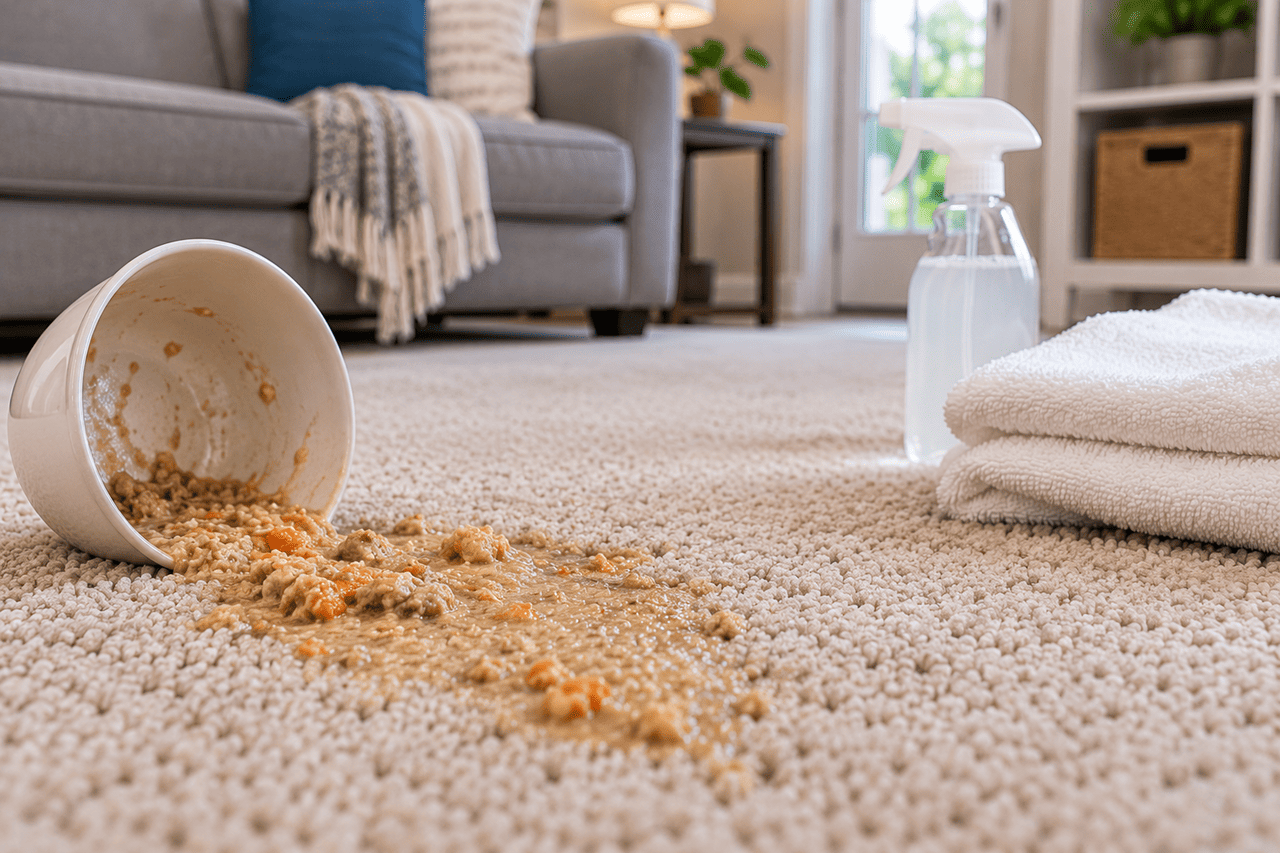
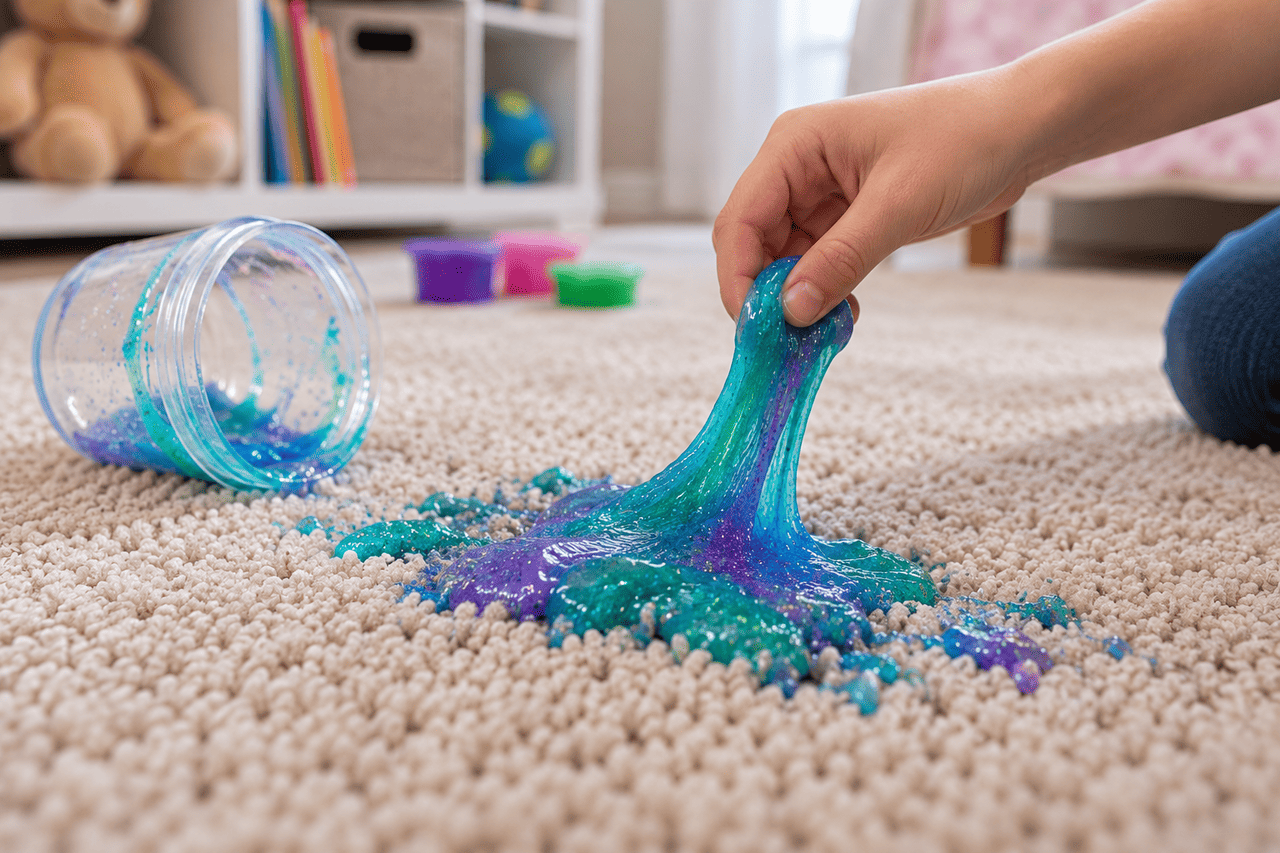
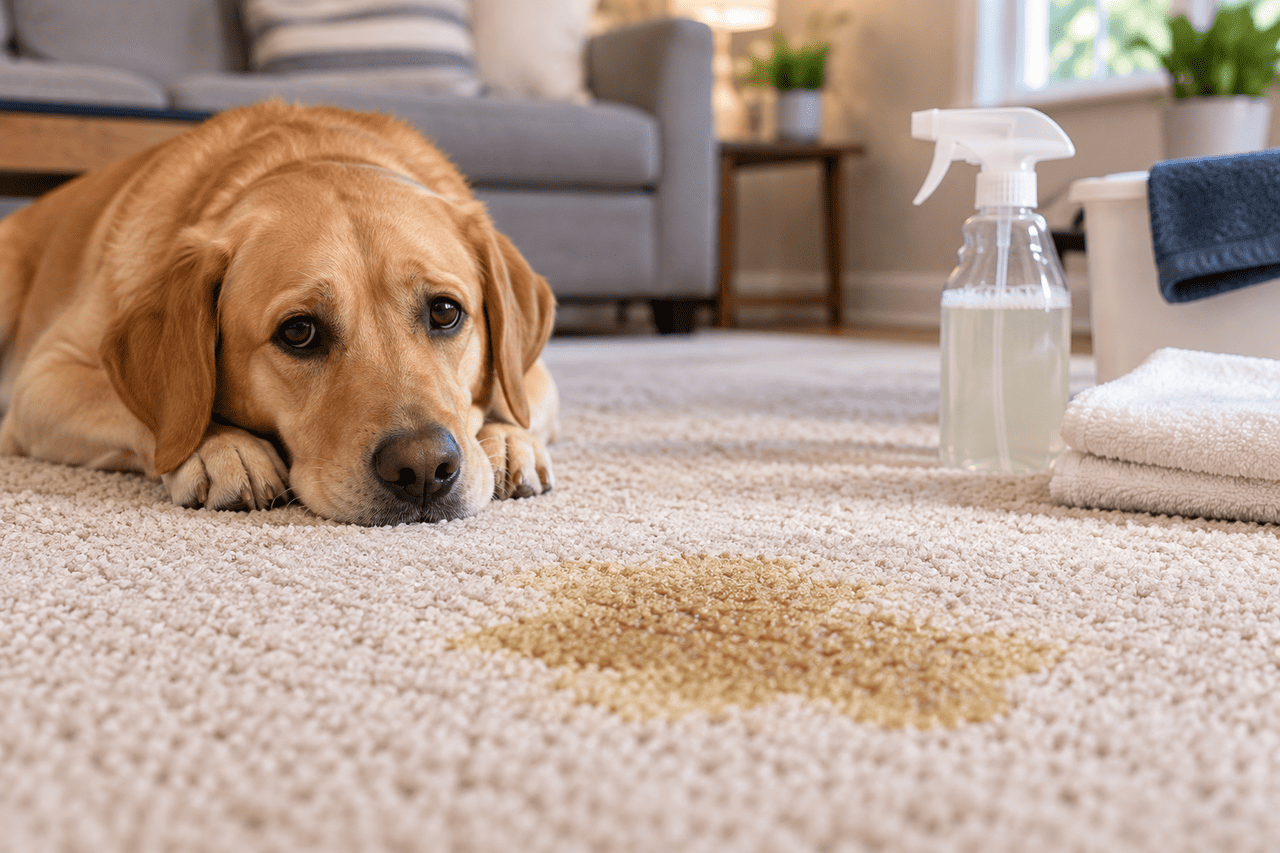
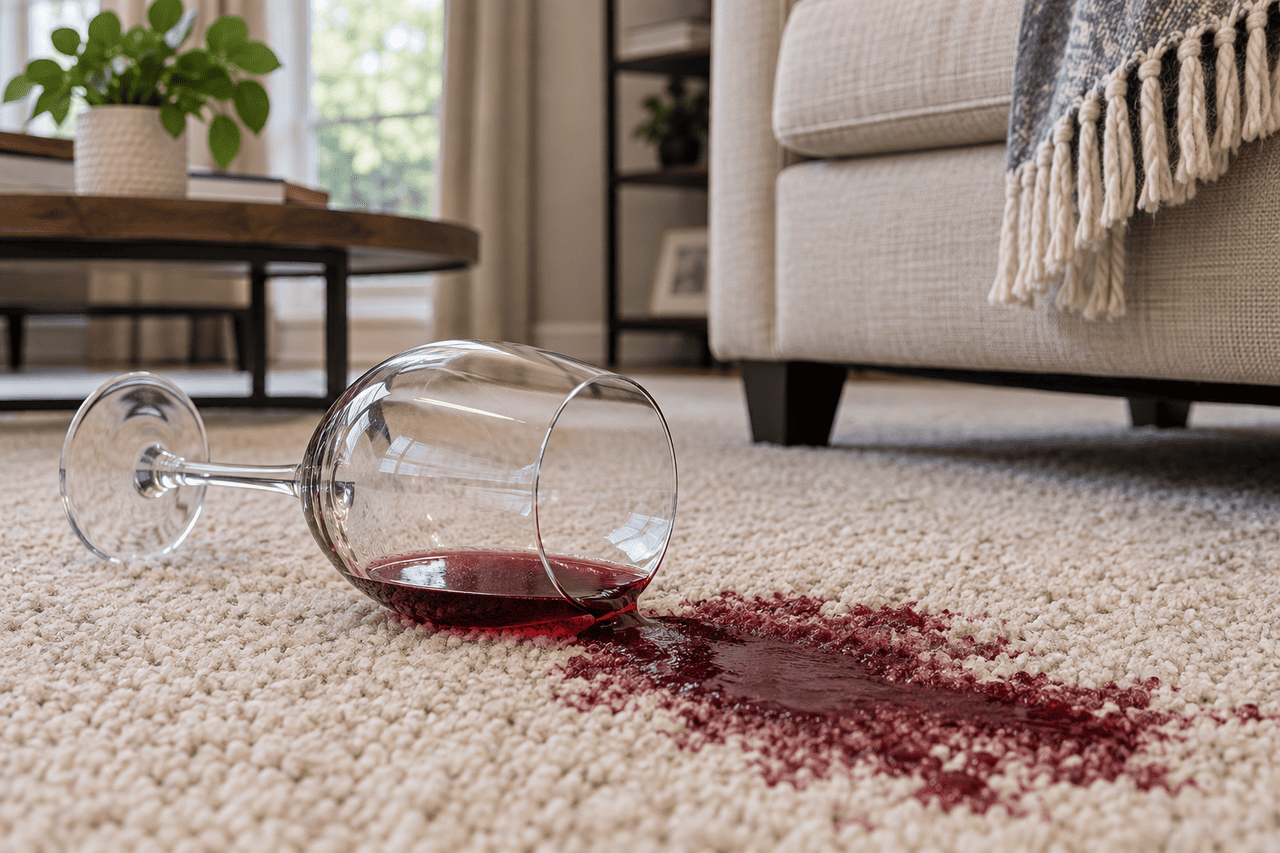
Spills are inevitable, particularly in homes with children or pets in the Savannah area. When a spill occurs, speed is your greatest ally. The key principle here is: Blot, Never Rub. Rubbing forces the spilled substance deeper into the fibers and causes the stain to spread, making it much harder to remove.
While many commercial spot cleaners exist, you can handle most common water-soluble stains effectively with simple, household ingredients.
Routine maintenance handles the surface dirt, but every throw rug, especially those in bustling Savannah GA households, needs a full, deep cleaning periodically, usually every 12 to 18 months. This process flushes out the deeply embedded soil and grit that cause premature wear. Homeowners needing a more thorough solution can benefit from our rug cleaning services in Port Wentworth, GA, especially for rugs exposed to heavy foot traffic.
This is the safest and most thorough DIY method for durable rugs that are too large for a washing machine or for delicate natural fibers like wool that need careful handling.
Only machine wash small cotton or synthetic rugs explicitly labeled as machine washable.
Drying quickly and completely is non-negotiable. If a rug remains damp for too long, mold and mildew will develop, leading to irreversible damage, bad odors, and health risks.
Some throw rugs require a level of care that goes beyond standard DIY cleaning. Understanding the nuances of these fibers is essential for long-term preservation.
As mentioned, these natural fibers are highly water sensitive. For deep cleaning, the best method is a dry cleaning approach.
The long, deep pile of shag rugs is a magnet for dirt, crumbs, and pet hair, often trapping debris near the foundation where vacuums struggle to reach.
Heirloom or high-value Oriental, Persian, or antique rugs should never be deep cleaned at home. These rugs often use delicate, unstable natural dyes and complex weaving techniques (like hand knotting) that can be easily damaged by improper soaking, harsh chemicals, or vigorous agitation. The cost of professional care is far less than the cost of replacing or repairing a damaged heirloom.
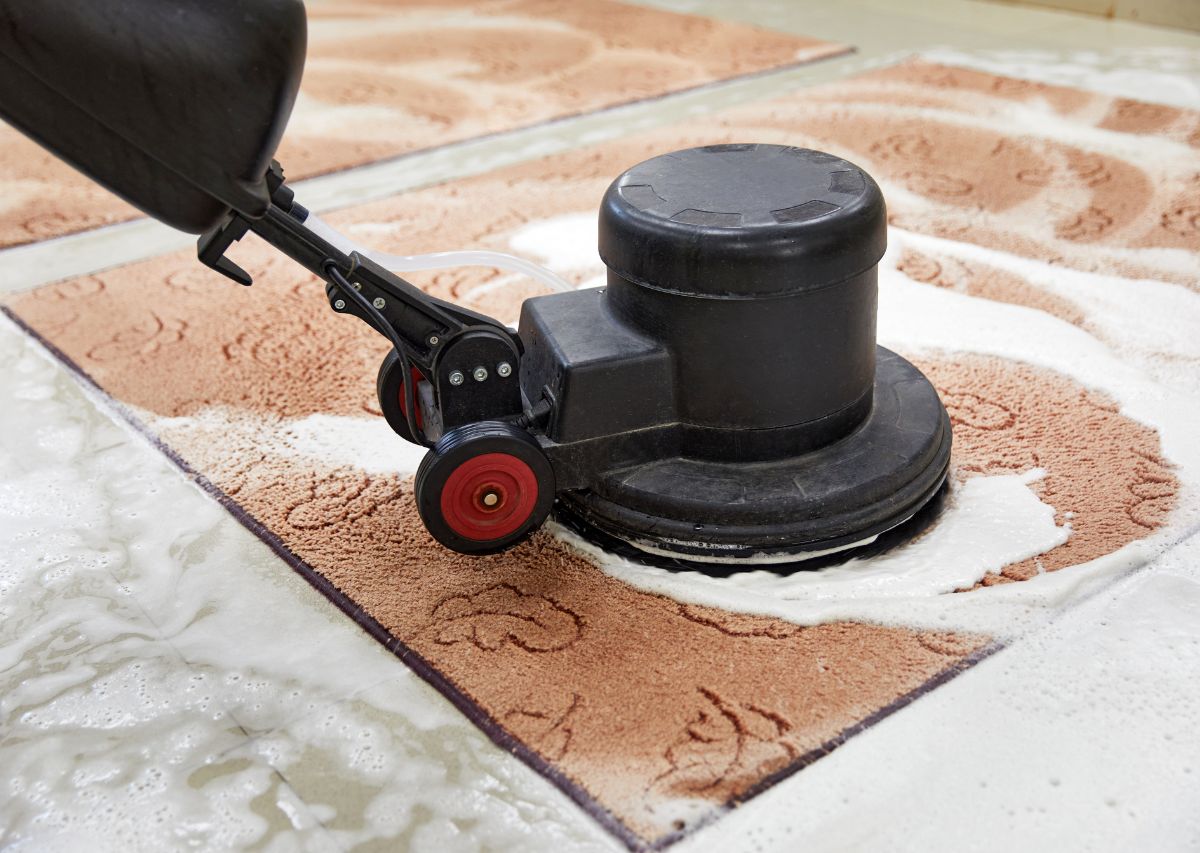
While this guide provides comprehensive steps on how to clean a throw rug yourself, there are times when DIY methods simply are not enough, or the risk of damage is too high. This is especially true for large, expensive, vintage, or highly soiled rugs. Professional rug cleaners, like us at Sani-Kleen, use specialized equipment and techniques that penetrate deep into the foundation of the rug to remove 100% of soil, dander, and allergens, a level of clean that cannot be achieved with home equipment. If you live outside the city, you can also rely on our professional rug cleaning in Pooler, GA for the same level of expert care.
Our process often involves:
If you have delicate wool or silk rugs, if your rug is too large to handle, or if you simply need the peace of mind that comes with a guaranteed, deep, hygienic clean, reach out to us. We understand the specific textile needs of your floor coverings and are committed to restoring them to their original beauty right here in Savannah, GA.
Looking for professional help with your heavily soiled or delicate throw rugs? If you are a resident in the Savannah GA area and want to ensure your valuable throw rug receives the meticulous care it deserves, our team—and our carpet and rug care experts in Richmond Hill, GA—are ready to help. Without the risk of home damage, please consider Sani-Kleen for professional cleaning expertise. You can call us at (912) 331-4545 or email us at sanikleenofsavannah@gmail.com to ask questions or schedule an appointment.
How often should I clean my throw rug and what are the signs it needs deep cleaning?
How to clean a throw rug frequently depends on foot traffic. High-traffic rugs need shaking or vacuuming weekly and deep cleaning every six to twelve months. Signs for deep cleaning include visible matting, persistent odors even after vacuuming, or if the colors appear dull or faded.
Can I machine wash any throw rug or are there materials I should avoid putting in the washer?
Not all rugs are machine washable. Avoid washing rugs with rubber backings, natural fibers like wool, jute, or silk, or very large, heavy rugs that could damage your machine. Small cotton or synthetic rugs are generally safe. Always use a mild detergent, cold water, and the delicate cycle. Never put a vintage or hand knotted rug in the washer.
What is the most effective way to remove common spills like coffee or red wine from a throw rug?
To remove spills, act immediately. Blot the stain gently with a clean white cloth or paper towel to absorb as much liquid as possible. Do not rub the stain as this pushes it deeper into the fibers. For coffee or wine, mix a solution of one teaspoon of mild dish soap with a cup of water and blot the area. Rinse by blotting with plain cold water and ensure you fully extract the moisture.
What special precautions should I take when cleaning a wool throw rug versus a synthetic one?
Wool rugs require gentler treatment than synthetic ones. Never use harsh chemicals or hot water which can damage the natural fibers and cause shrinkage. When cleaning wool use only a wool safe detergent and minimal water. Synthetic rugs are much more durable and can handle mild cleaning solutions and gentle scrubbing. Always test any solution on an inconspicuous spot first.
Why is professional cleaning sometimes necessary even if I know how to clean a throw rug myself?
Professional cleaners have specialized equipment and non-toxic solutions that achieve a deeper clean removing embedded dirt and allergens that home methods miss. They also handle delicate fibers and dyeing processes safely. For residents in the Savannah GA area, services like Sani-Kleen ensure your rug is cleaned safely and thoroughly without the risk of color bleeding or fiber damage.
.webp)



%20(1).png)